

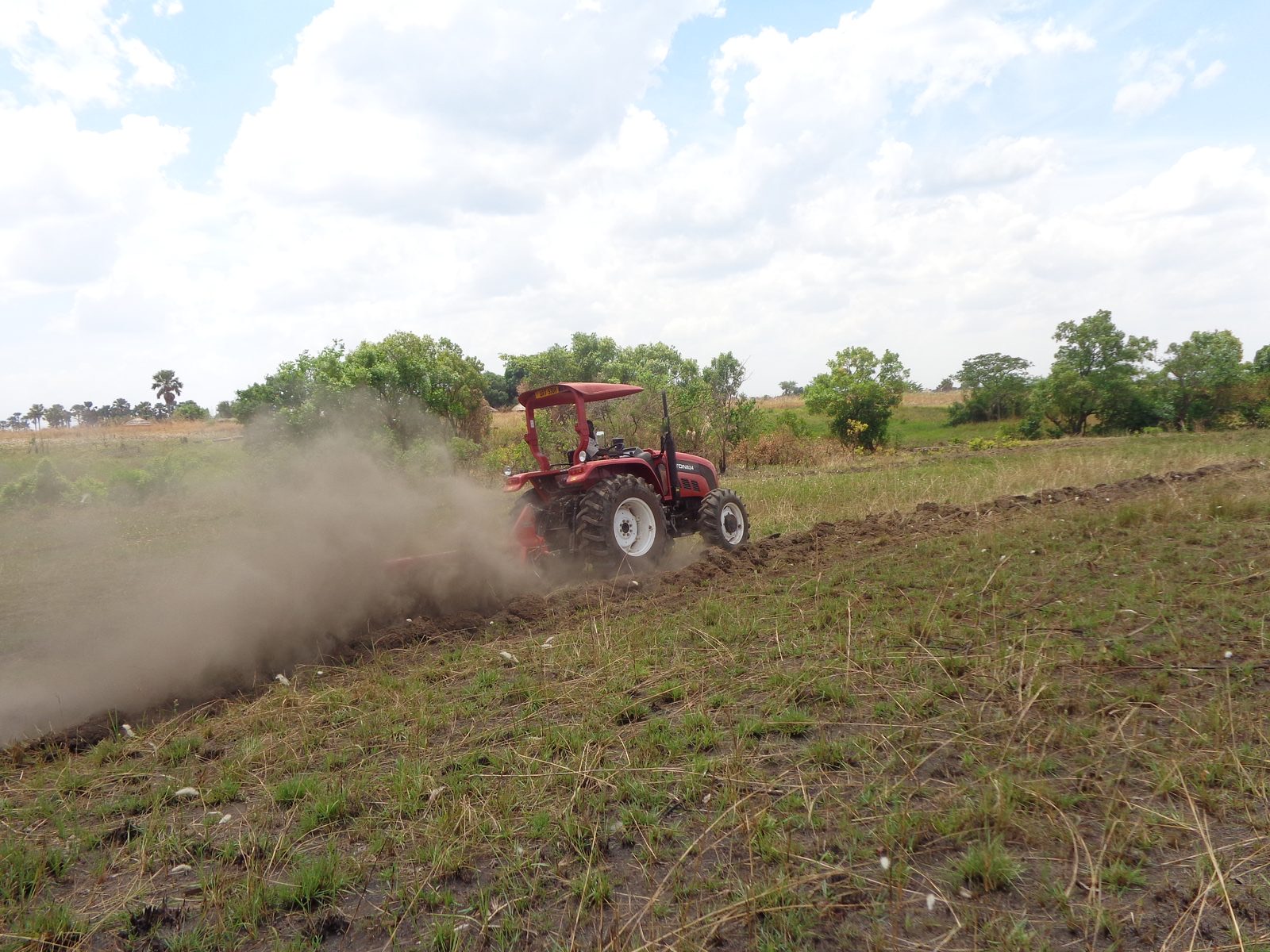
Every good harvest starts before a single seed goes in, with the soil. Land preparation is the most overlooked decision in farming, yet it sets the ceiling on everything that follows: how fast you can plant, how evenly the crop germinates, how well it roots, and how hard the weeds fight back. This guide explains what ploughing, harrowing and ridging each do, the right order, and why doing it on time, with a tractor, matters so much in Northern Uganda.
- Plough → harrow → ridge: open the soil, break it fine, then shape it where needed.
- Ploughing turns and opens the soil and buries weeds; harrowing makes the fine seedbed.
- Ridging aids drainage and rooting, good for root crops and rows.
- Mechanized prep lets you plant at the onset of the rains, when yields are highest.
The three operations, and what each does
Land preparation isn’t one job: it’s a sequence, and each step has a distinct purpose.
1. Ploughing: primary tillage
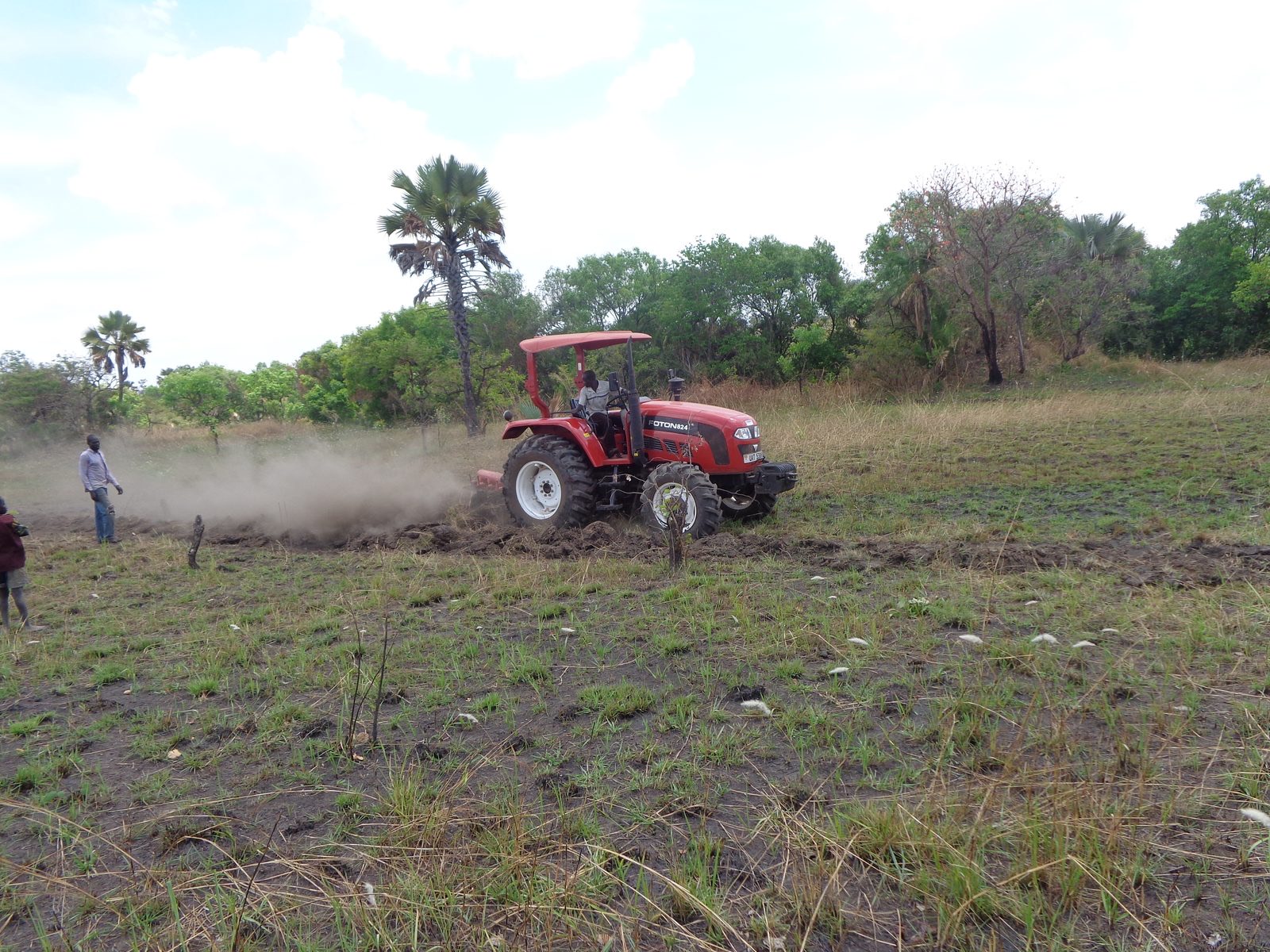
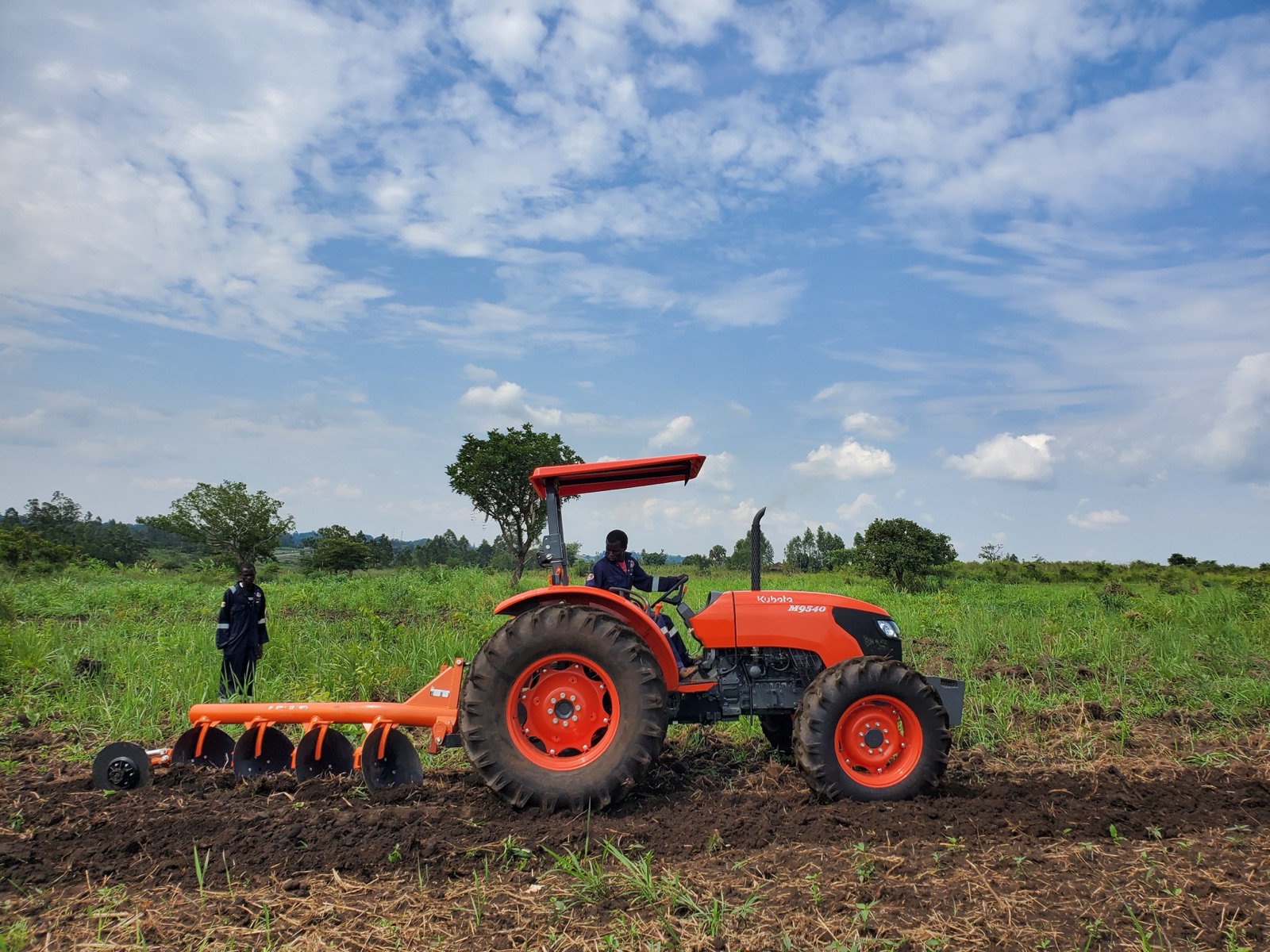
The first, deep pass. The plough cuts, lifts and turns the soil, burying weeds and crop residues, breaking compaction and opening the ground so air, water and roots can move. This is "land opening."
2. Harrowing: secondary tillage
After ploughing leaves rough clods, the harrow breaks them into a fine, level seedbed. A fine tilth means even planting depth and even germination, vital for small-seeded crops.
3. Ridging: shaping the field
Where needed, ridging forms raised rows with furrows between. It improves drainage, deepens loose soil for roots and tubers, and makes weeding and harvesting easier.
When to use which
| Operation | What it’s for | Best for |
|---|---|---|
| Ploughing | Opening land, turning soil, burying weeds | Every field, especially virgin or weedy land |
| Harrowing | Breaking clods into a fine, level seedbed | Small-seeded crops needing fine tilth (e.g. sesame, soybean) |
| Ridging | Drainage, deeper rooting, easier weeding | Root/tuber and row crops (e.g. cassava, groundnuts); heavier or wetter soils |
A fine seedbed is not optional for small seedCrops like sesame have tiny seed that needs a fine, firm, level seedbed to germinate evenly. Skipping the harrowing step is one of the commonest reasons small-seeded crops come up patchy.
What it costs and how fast it goes
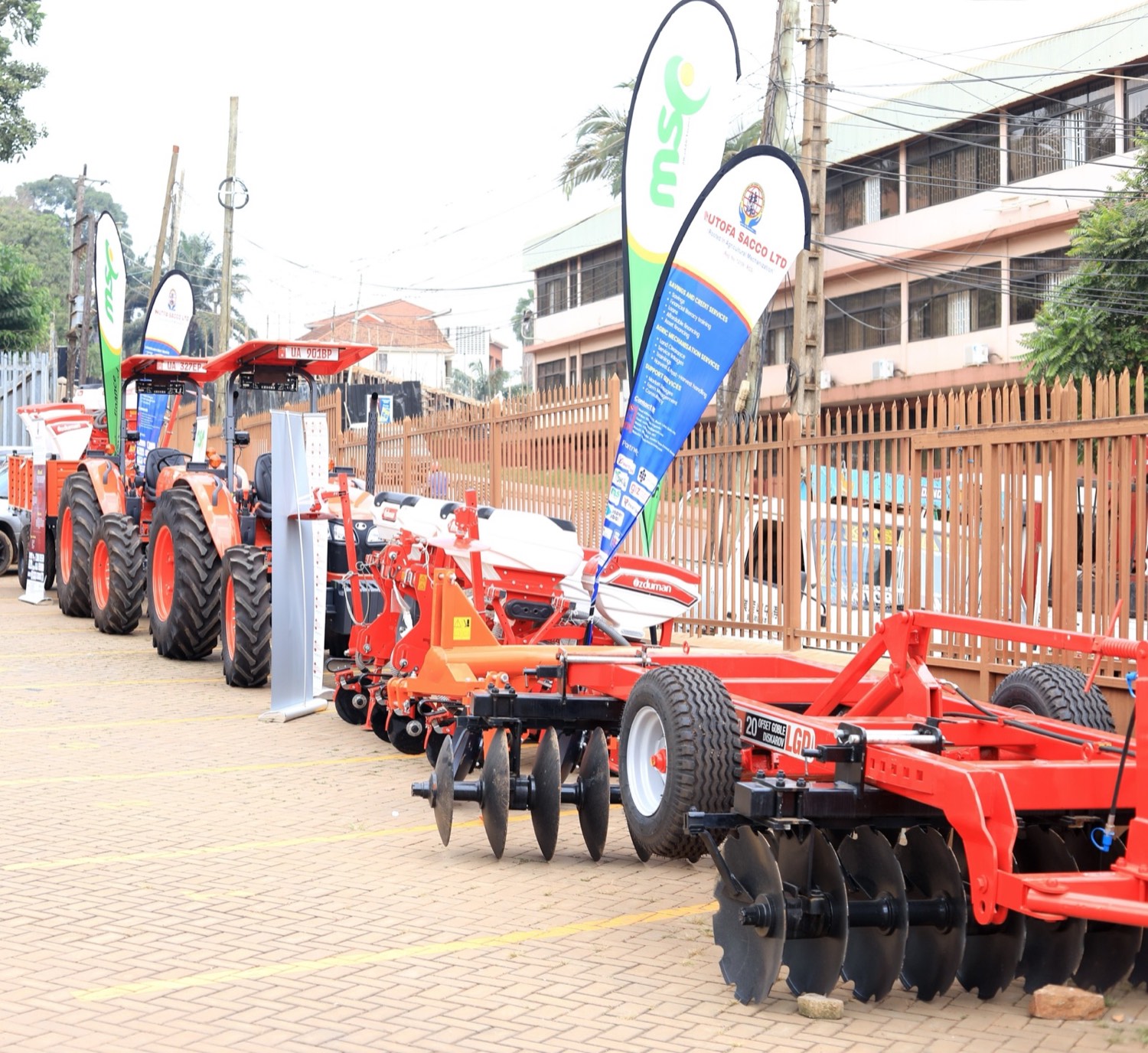
Mechanized land preparation is priced per acre, and a tractor covers ground a hand hoe never could. These are NUTOFA’s rates for fully registered members, with typical daily capacity:
| Operation | Member rate | Typical capacity |
|---|---|---|
| Ploughing | UGX 100,000 / acre | ~3 acres / day |
| Disc harrowing | UGX 70,000 / acre | ~6 acres / day |
| Ridging | on request | ~6 acres / day |
See the full breakdown in how much it costs to hire a tractor. Non-members are quoted at market rates as per location.
Why timing is everything
Here is the part that turns good land preparation into a bigger harvest: doing it before the rains arrive. A hand-hoed field can take many days to open, by which time the onset rains, and part of the yield, are gone. A tractor opens an acre in hours, so the field is ready to plant the moment the rains break.
Prepare ahead of the seasonBook land preparation before the rains, not after. Demand for tractors peaks the instant everyone wants to plant, so book early, and book as a group to cut the travel cost. See the planting calendar for season timing.
The foundation everything builds on
Quality seed, fertilizer, timely weeding and good post-harvest handling all matter, but they build on the seedbed. Plough to open, harrow to refine, ridge where the crop needs it, and do it all in time to plant at the onset of the rains. That is the foundation of a good harvest.
NUTOFA’s mechanization hub coordinates member-owned tractors and implements across the Acholi, Lango, Karamoja and West Nile sub-regions, so members get quality, timely land preparation every season. See our services or become a member.
- NUTOFA SACCO LTD mechanization rate card and service lines (ploughing, harrowing, ridging rates and capacities), 2026.
- Standard agronomic practice for primary vs secondary tillage and ridging (purpose and sequence).
- Home Harvest / agrometeorological guidance: yield loss from late planting; the value of preparing land before the rains.
Frequently asked questions
-
Ploughing (primary tillage) is the first, deep pass that cuts, lifts and turns the soil, burying weeds and crop residues and opening compacted ground. Harrowing (secondary tillage) follows, breaking the rough ploughed clods into a fine, level seedbed ready for planting. You plough first, then harrow.
-
Ridging forms raised rows of soil with furrows between them. It improves drainage, deepens loose soil for roots, and eases weeding. It suits root and tuber crops and crops grown in rows, and helps on heavier or wetter soils. Crops like cassava and groundnuts are often grown on ridges.
-
Plough first to open and turn the soil, then harrow to break the clods into a fine seedbed, and ridge where the crop or soil calls for it. The aim is a clean, level, fine seedbed with good moisture and no competing weeds.
-
A tractor opens an acre in hours rather than the days a hand hoe takes, so the field is ready to plant at the onset of the rains, when yields are highest. Timely, good-quality land preparation is the foundation that every other input builds on.