
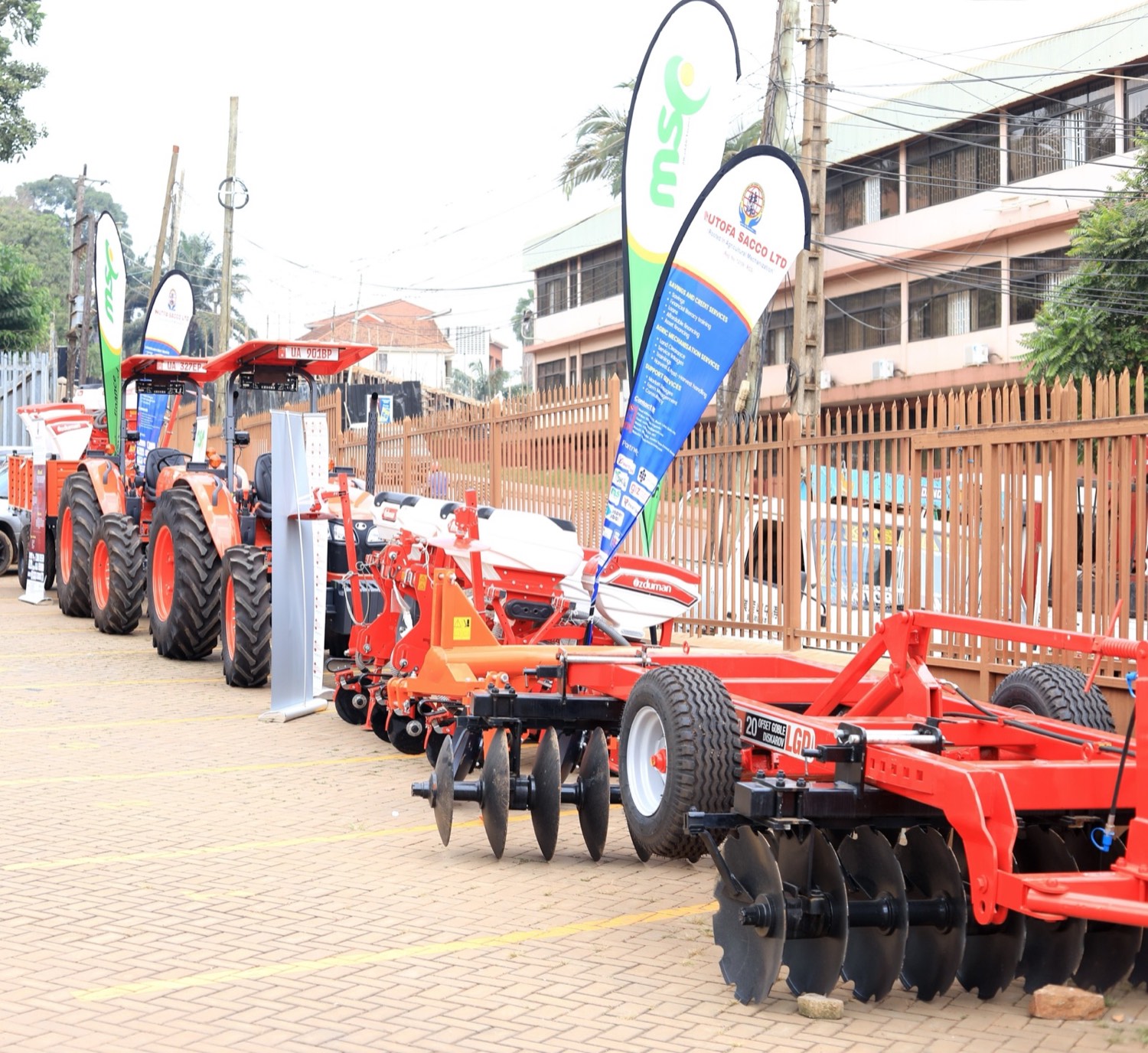
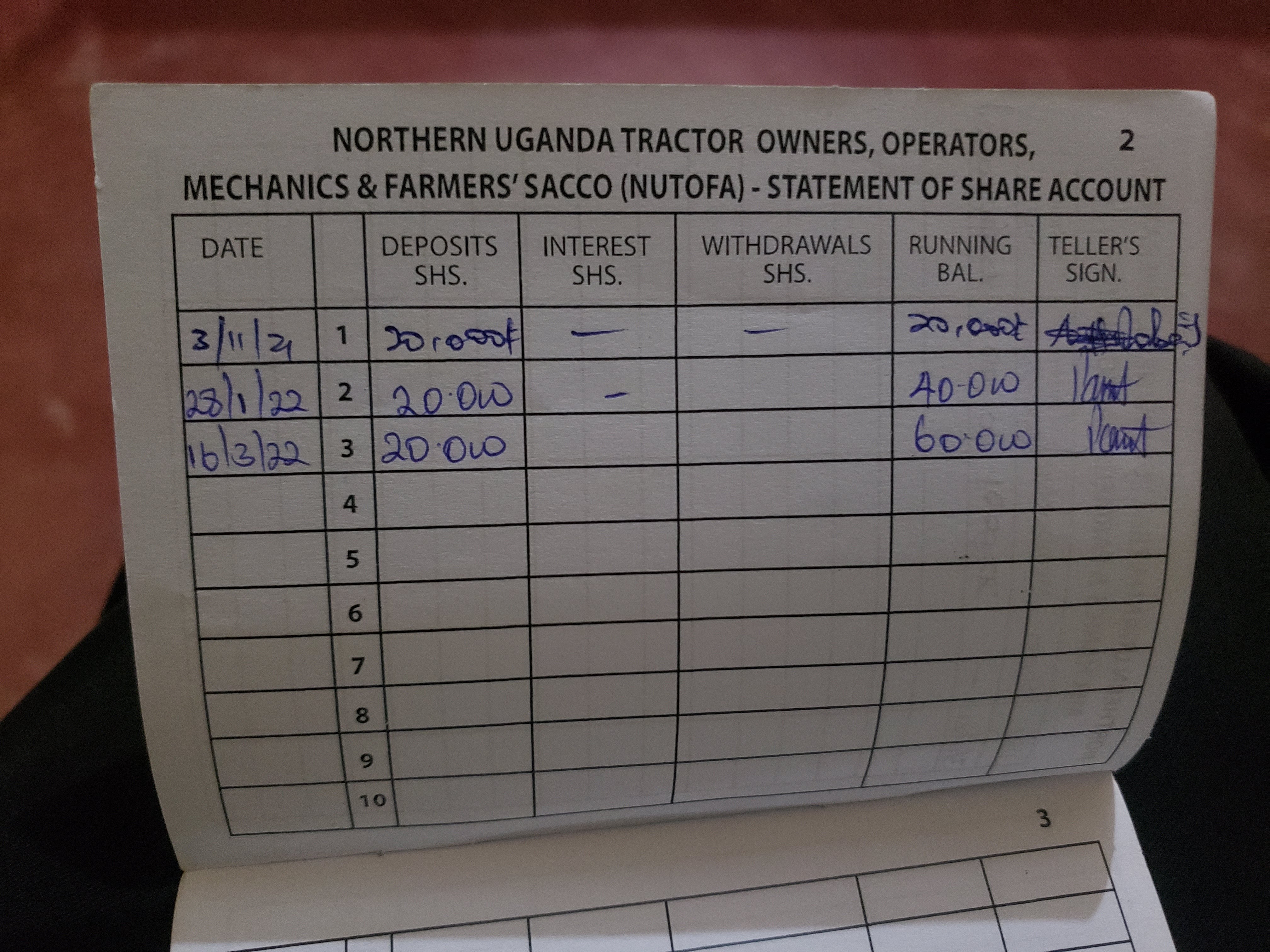
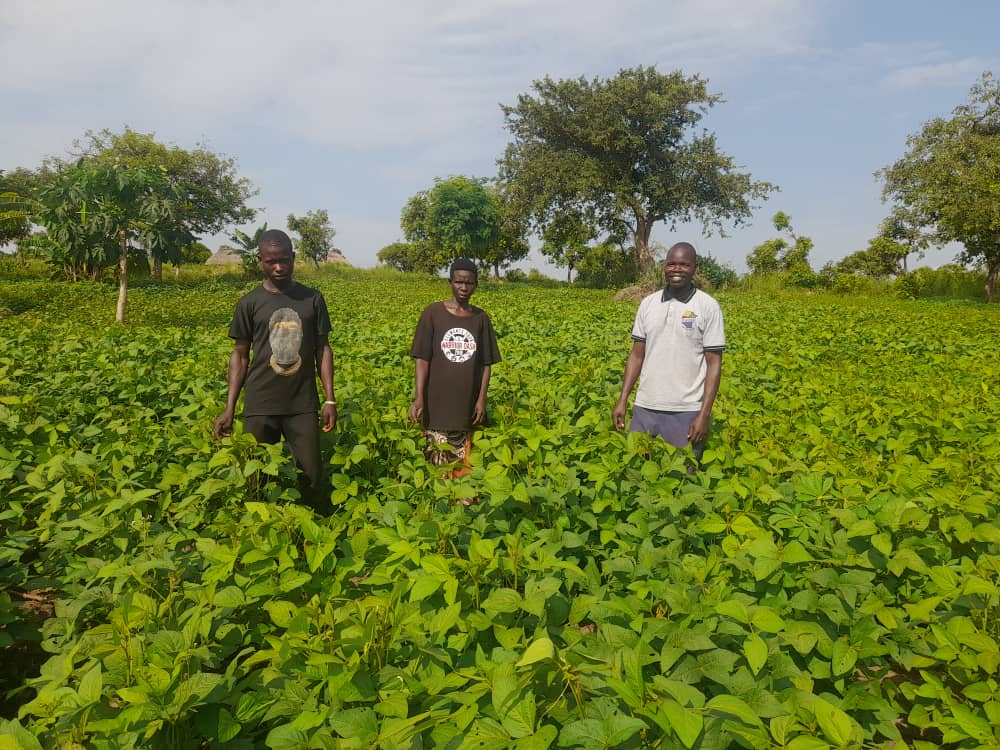

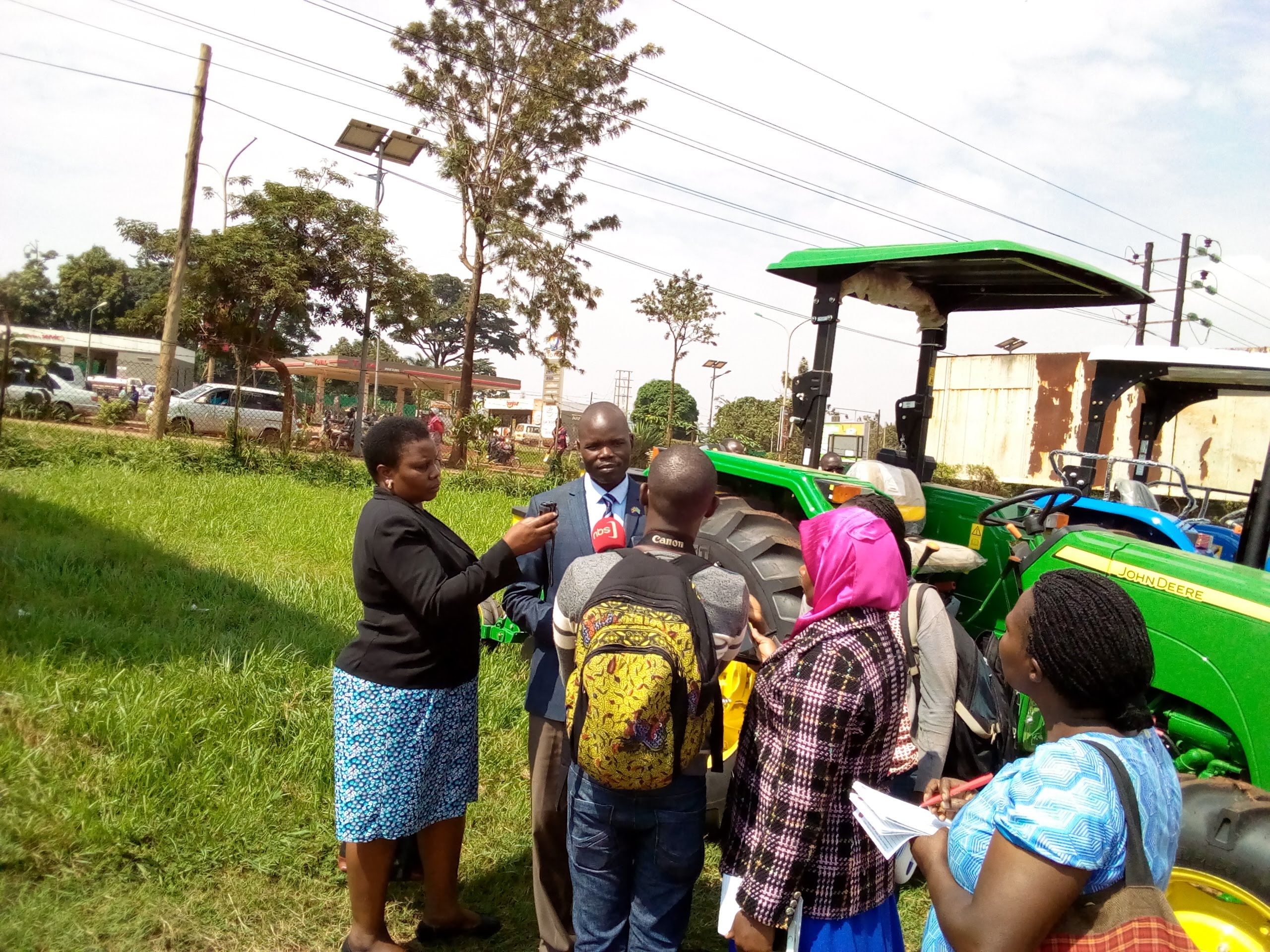
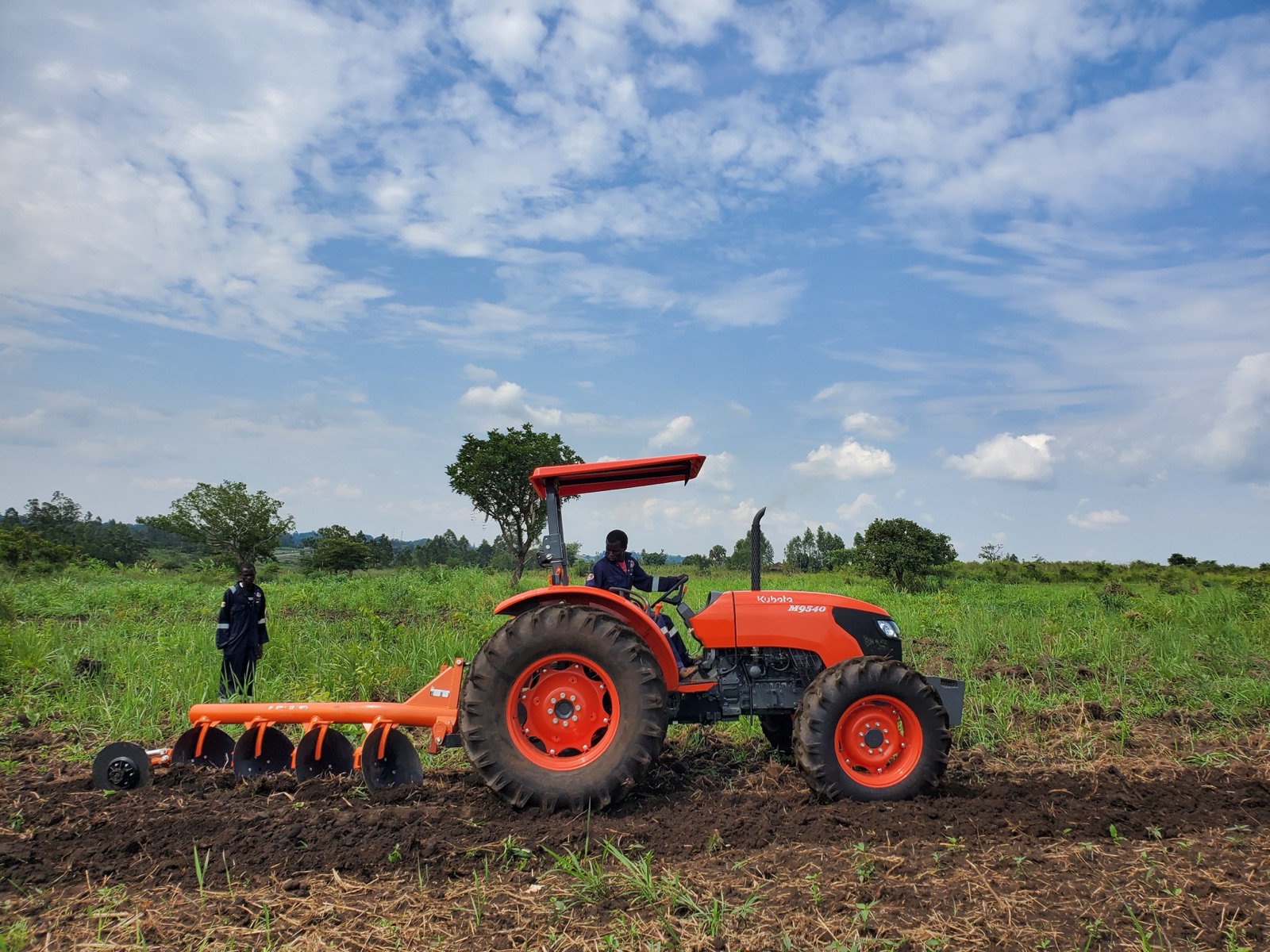
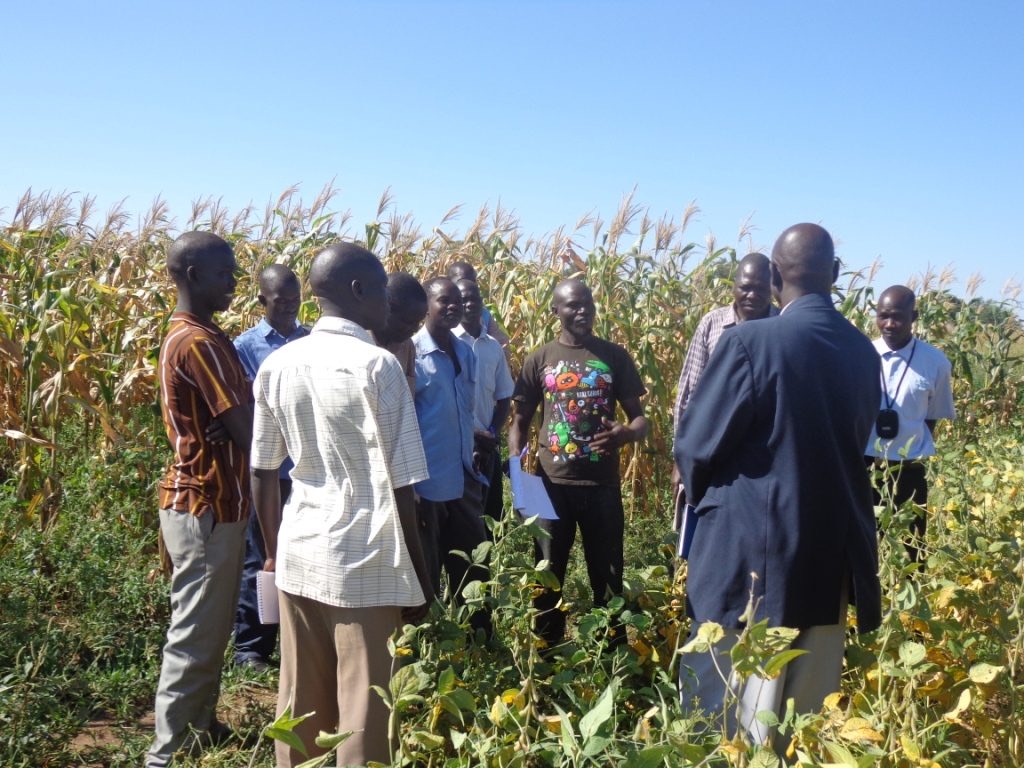

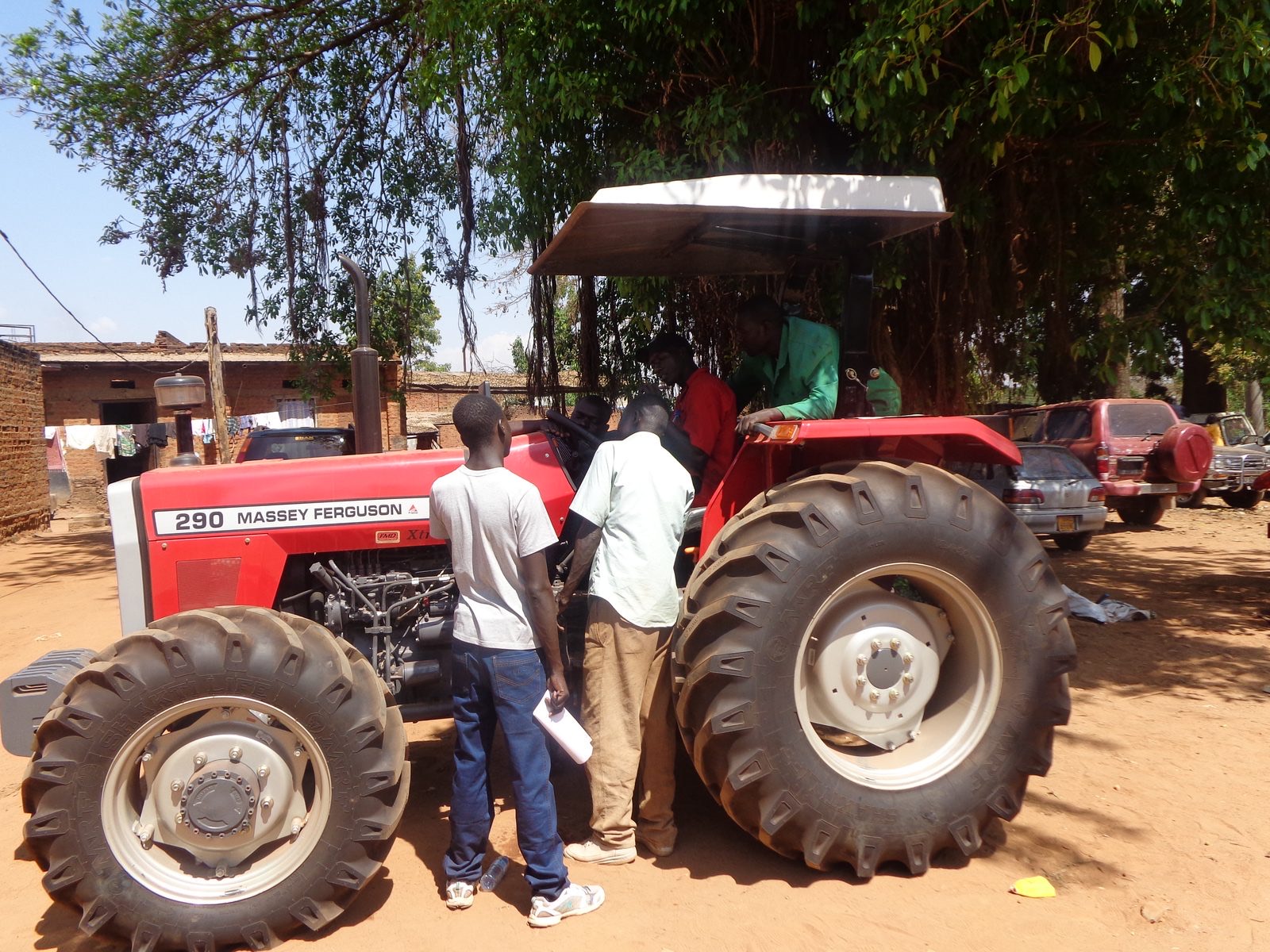
A tractor is one of the most valuable assets a family in Northern Uganda can own, and one of the easiest to lose money on. The machine that ploughs an acre in hours can also sit idle for weeks between jobs, burning value while it waits. This guide is for tractor owners: how to keep the machine busy, what the per-acre economics actually look like, and how the cooperative model turns a single tractor into a steady earner instead of a depreciating worry.
- The enemy of tractor profit is idle time: a parked machine earns nothing.
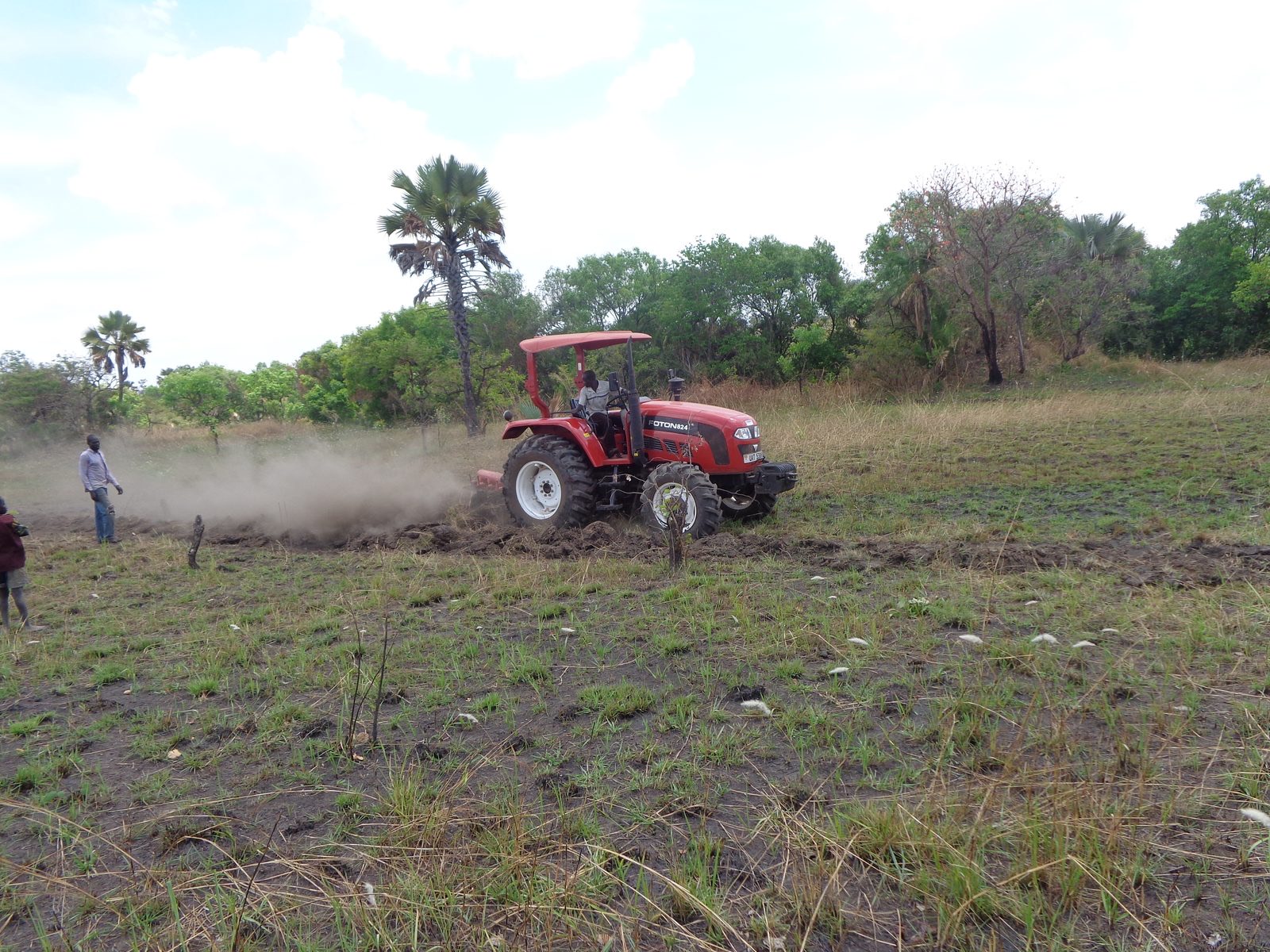
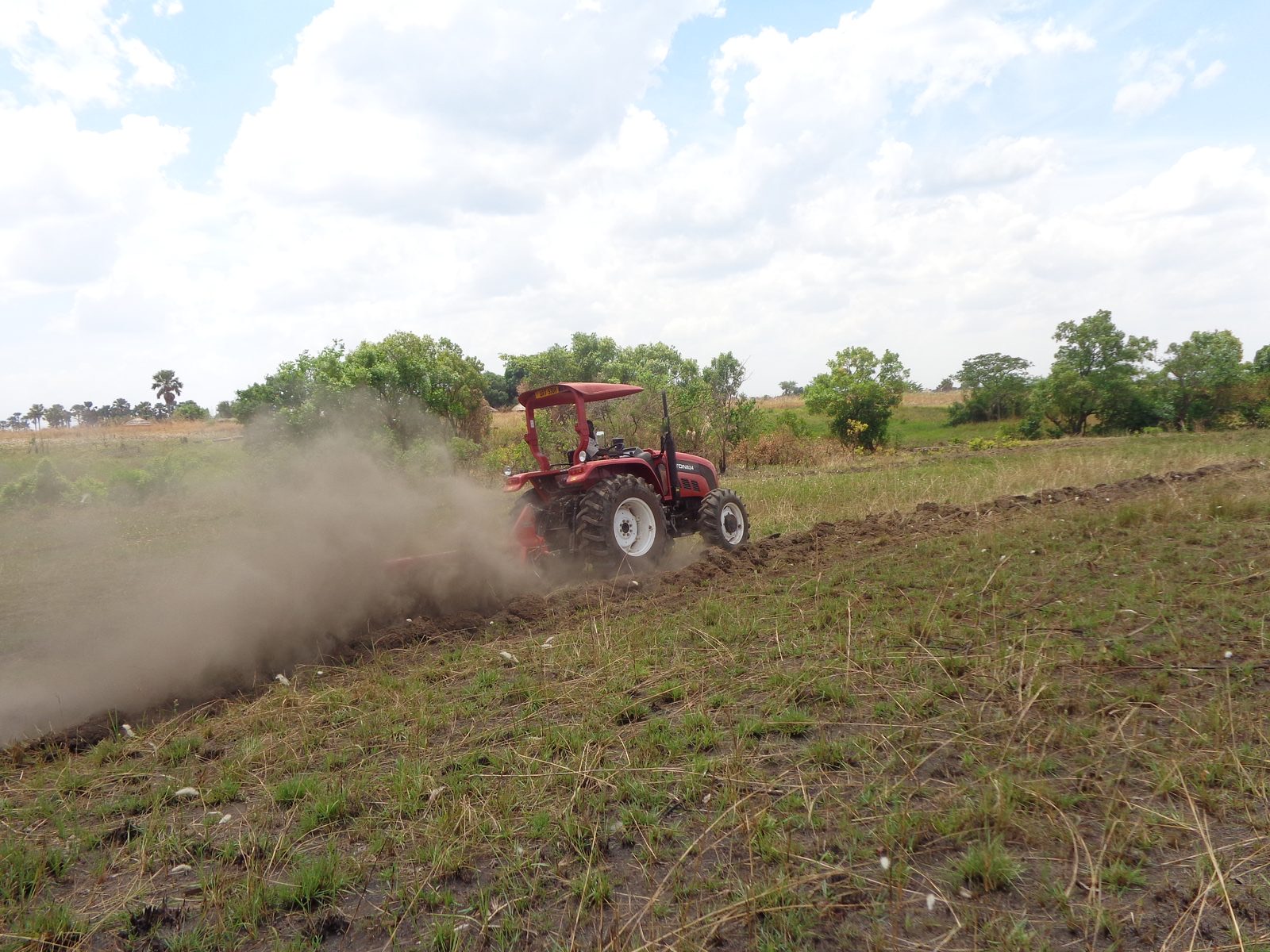
- A busy tractor ploughs ~3 acres/day, harrows/ridges ~6 acres/day.
- A cooperative dispatch roster keeps the machine working and pays the owner a brokerage commission.
- Genuine spares + trained operators are what keep the asset earning for years, not one season.
The real problem: idle time, not low rates
Most tractor owners think their income problem is the per-acre price. It usually isn’t. At working rates of around UGX 100,000 per acre for ploughing, the machine is well-priced. The problem is how many days it actually works. A tractor that ploughs every day in season is a thriving business; the same tractor, idle half the time because the owner is waiting for farmers to come to him, barely covers its costs.
Tractor income tracks utilisation, not just the per-acre rate. Keeping the machine busy is the whole game.
The per-acre economics
Here’s what a working machine can do, using NUTOFA’s member service rates and typical daily capacity. The owner’s job is to keep these days full.
| Operation | Member rate | Capacity / day | Indicative gross / day |
|---|---|---|---|
| Ploughing | UGX 100,000 / acre | ~3 acres | ~UGX 300,000 |
| Disc harrowing | UGX 70,000 / acre | ~6 acres | ~UGX 420,000 |
| Planting | UGX 70,000 / acre | ~6 acres | ~UGX 420,000 |
Daily capacity varies with tractor size, implement and field conditions. These are indicative working figures at member rates; non-member jobs are quoted at market rates and can gross more.
Gross is not profitOut of the daily gross comes fuel (the biggest cost), the operator's pay, maintenance and spares, and any cooperative or agent fees. The owner's profit is what's left, which is why fuel discipline, low downtime and full days matter more than squeezing the rate.
Keep it busy: the cooperative dispatch model
The most reliable way to fill a tractor’s calendar is to stop relying on word-of-mouth and plug into a coordinated booking system. In a mechanization hub, farmer demand is aggregated and the nearest available machine is dispatched to each job. The owner doesn’t chase work: work is routed to the machine.
Register the machine on the roster
Your tractor joins the cooperative dispatch roster, with its location, implements and availability logged.
Bookings are routed to you
When farmers book through the hub, jobs near your machine are dispatched to you, cutting idle days and road travel.
You earn a brokerage commission
The owner earns a commission on every coordinated booking of the machine, on top of the service income.
Group bookings fill whole days
Aggregated demand from farmer groups means full days in one area, instead of scattered single acres far apart.
The hiring-agent and booking-agent model
Northern Uganda’s mechanization value chain has two roles built specifically to keep tractors busy and farmers served:
Hiring agent
- Buys a tractor day-block (e.g. 8am–5pm) from the owner
- Resells the hours to farmers
- Keeps the margin, net of fuel, operator and fees
- Guarantees the owner a paid day
Booking agent
- Aggregates demand from many farmer groups
- Plans where machines deploy and when
- Earns a commission on the jobs aggregated
- Keeps machines working in dense blocks
For an owner, these roles mean you can sell a guaranteed day rather than gamble on walk-in demand, and they’re membership categories in their own right, so agents share in the cooperative too.
Protect the asset: spares and operators
A tractor only earns if it runs. Two things sideline machines in Northern Uganda more than anything else: counterfeit or unavailable spare parts, and untrained operators who damage equipment and do poor work. Government’s own analysis has documented donated machines abandoned because a single part couldn’t be sourced locally.
Don't let one part kill the seasonUse genuine spares from authorised dealers (the cooperative brokers these at member rates) and certified operators from the trained roster. A machine kept running with real parts and skilled hands earns for years; one run into the ground with grey-market parts is a one-season asset.
Put it together
The owner who earns the most isn’t the one with the newest tractor: it’s the one whose machine works the most days, breaks down the least, and is dispatched efficiently. That is exactly what a cooperative is built to deliver: coordinated bookings, brokerage income, member-rate spares, certified operators, and asset finance to grow the fleet.
If you own a tractor in the Acholi, Lango, Karamoja or West Nile sub-regions, become a member as a tractor owner, explore the mechanization hub, or read how to finance more equipment. To talk it through, call or WhatsApp +256 772 793 198.
- NUTOFA SACCO LTD: mechanization rate card, dispatch model, hiring/booking agent categories, 2026.
- Ministry of Finance, BMAU Briefing Paper 19/17: equipment abandoned for lack of spare parts; access constraints, 2017.
- Government of Uganda / MAAIF: tractor management guidelines; machines to be run on business principles, 2019–2020.
Frequently asked questions
-
It can be, but only if the tractor stays busy. The biggest threat to tractor profitability is idle time: a machine earns nothing parked. Owners who plug into a cooperative dispatch roster, keep the machine maintained with genuine spares, and use trained operators earn far more than those who wait for work to find them.
-
As a working figure, a tractor ploughs around 3 acres a day, and harrows or ridges around 6 acres a day, depending on the field and conditions. At typical per-acre rates, a busy machine generates substantial daily income: the challenge is keeping the days full across the season.
-
A hiring agent buys a tractor's day-block from the owner and resells the hours to farmers, net of fuel, operator and cooperative fees. A booking agent aggregates demand from many farmer groups and plans the deployment, earning a commission. Both help keep tractors busy and farmers served.
-
It coordinates bookings so the nearest available machine is dispatched, brokers spares and finance, certifies operators, and aggregates farmer demand, all of which cut idle time and protect the machine. The owner earns a brokerage commission on coordinated bookings and accesses member-rate spares and asset finance.