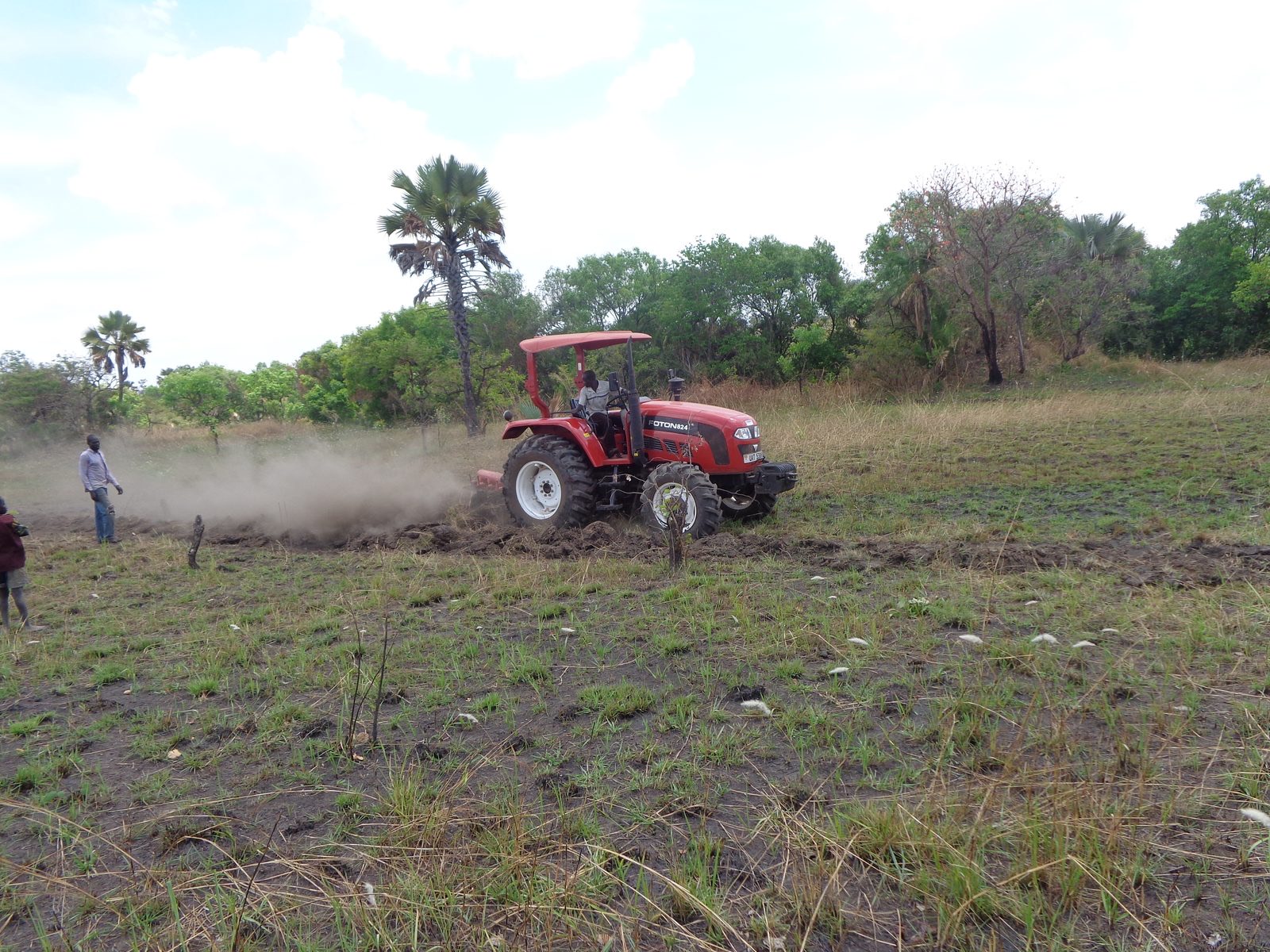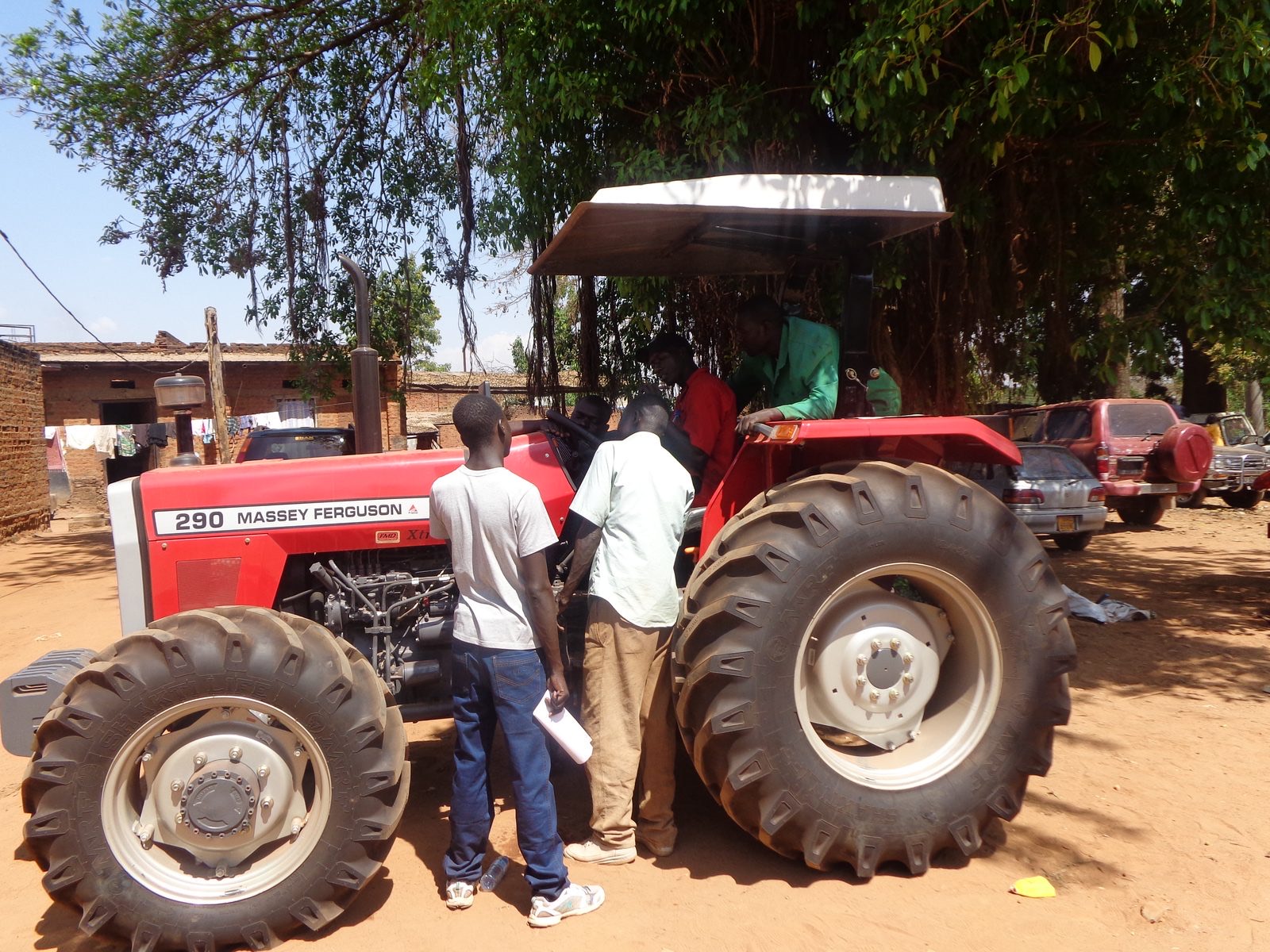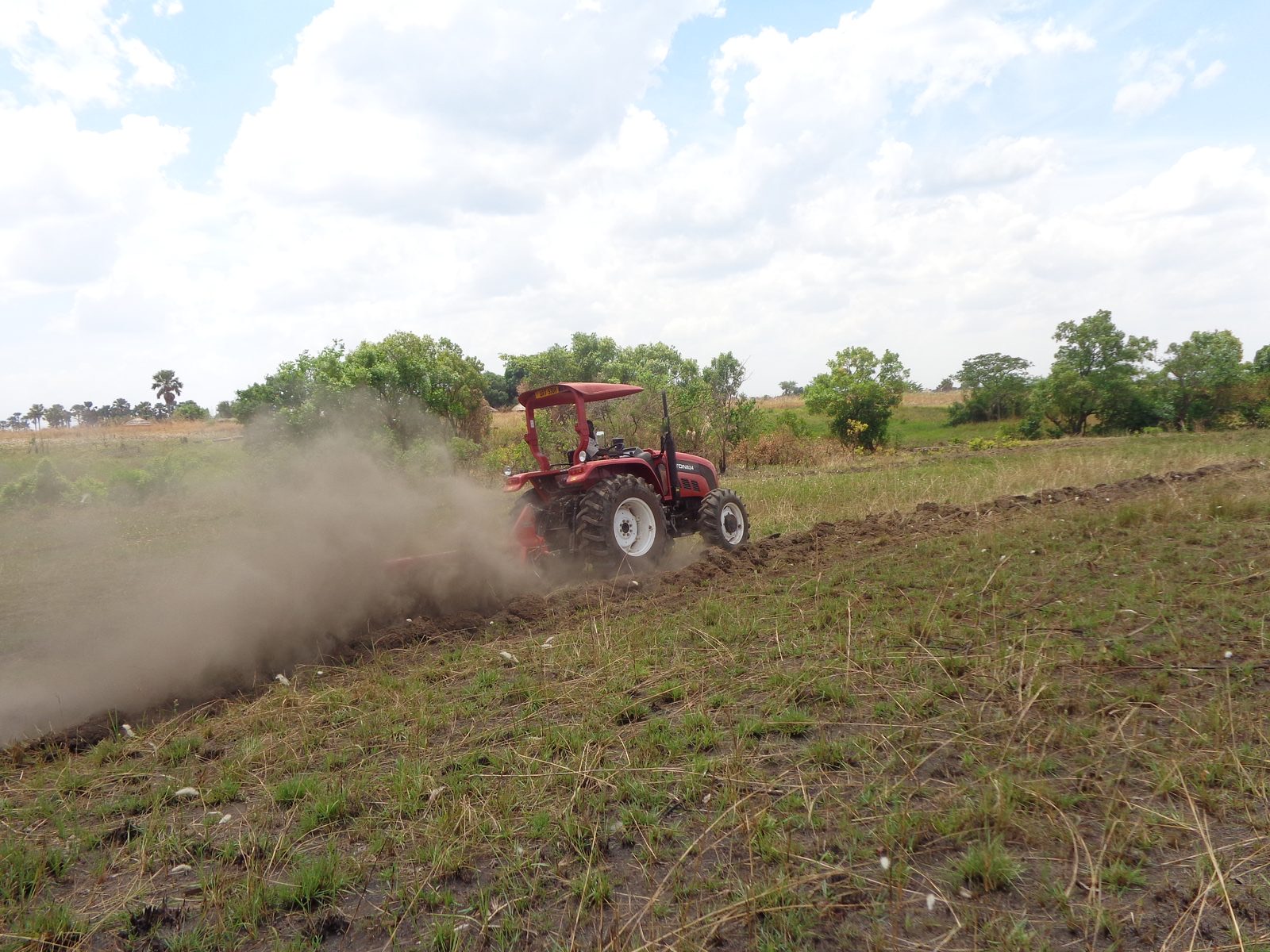

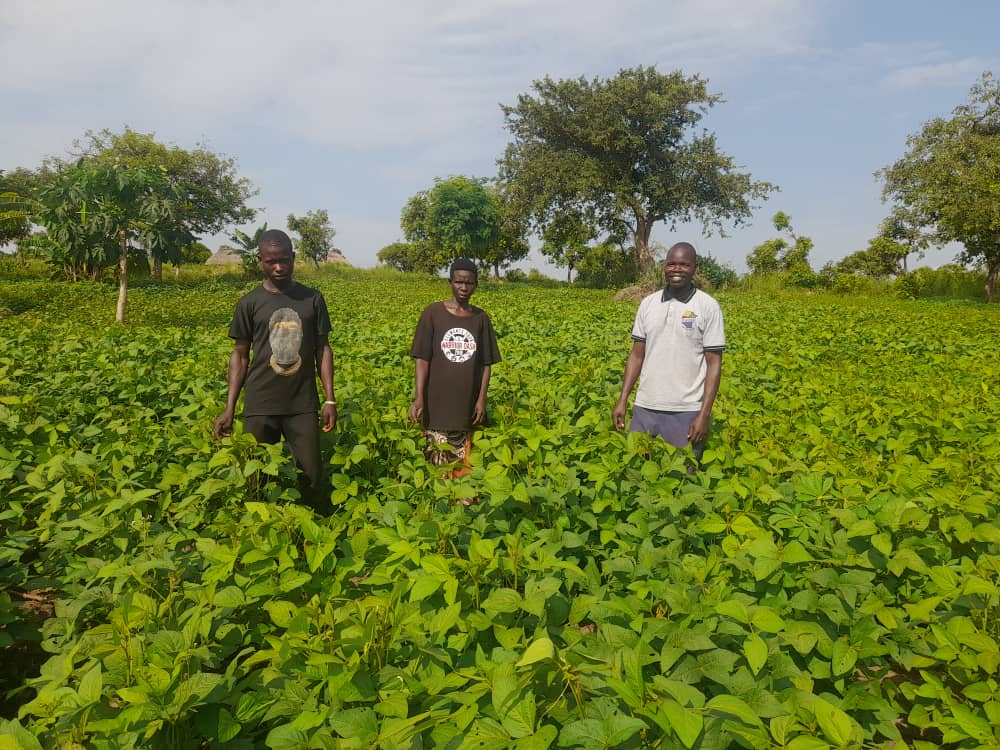
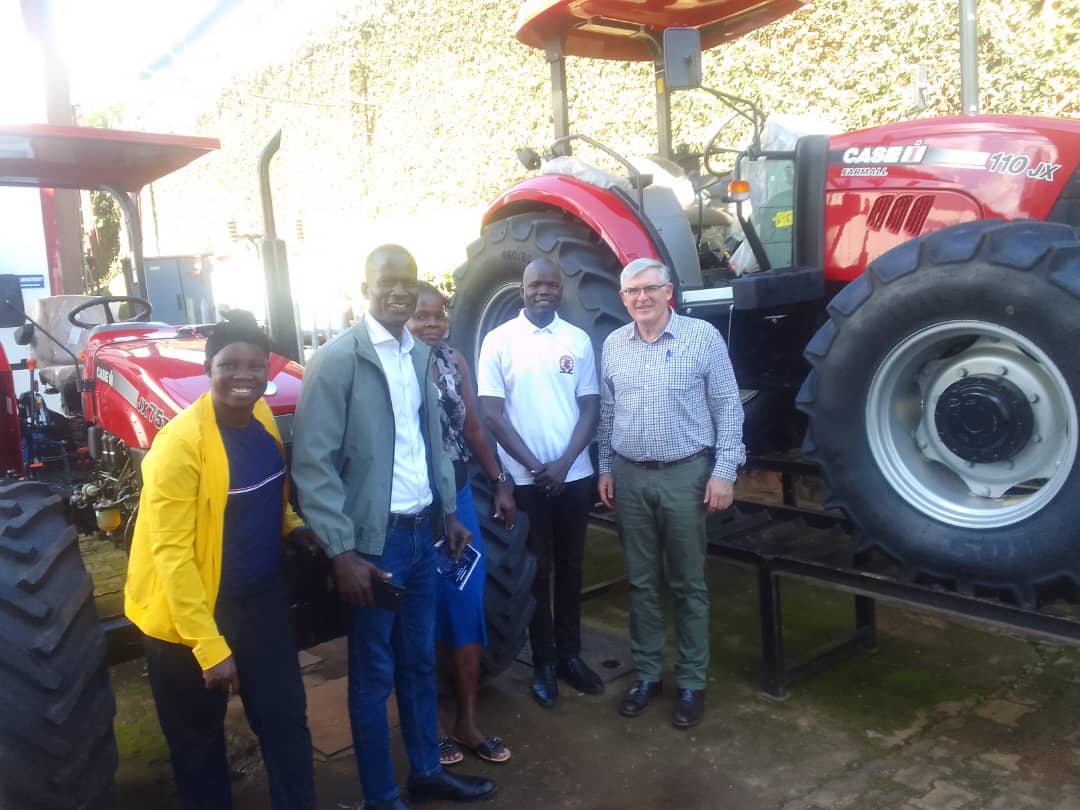
Northern Uganda is some of the most fertile, under-cultivated land in East Africa. The constraint has rarely been soil or rain: it has been muscle. For decades, the overwhelming majority of land here has been opened by hand hoe, one slow acre at a time. Agricultural mechanization - putting engine power behind land preparation, harvesting and post-harvest work - is the lever that turns that fertile land into real income. This guide explains where the region actually stands, what is being done, what gets in the way, and the model that is finally making tractors reach smallholder farmers.
- Around 95% of Ugandan farming households still use the hand hoe; equipment access has been lowest in the North.
- Government is building regional mechanization centres, including Agwata in Dokolo for the Northern region.
- The real obstacles are cost, spare parts, operator skills and land fragmentation, not a shortage of tractors alone.
- The cooperative hub model pools machines, spares, skills and finance to make mechanization reliable and affordable.
Where the region actually stands
The headline number tells most of the story. A national study of millions of Ugandans found that around 95% used the hoe as their primary land-preparation tool; animal traction accounted for a small share, and tractors for a smaller one still. Crucially, the Ministry of Finance’s own analysis found that equipment access was lowest in the Northern region, at one point as low as 4%, largely because farmers could not afford to lease or fuel machines.
This is why the official framing is that mechanization in Northern Uganda is “shifting from rudimentary tools to commercial, climate-smart farming.” The shift is real, but it starts from a very low base, and the pace depends entirely on solving the access problem, not just importing more tractors.
What the government is doing
The Ministry of Agriculture, Animal Industry and Fisheries (MAAIF) has pursued mechanization on two main tracks.
Regional mechanization centres
MAAIF has been establishing zonal agricultural mechanization centres as "centres of excellence", including the Agwata centre in Dokolo District for the Northern region, with a Karamoja centre (Nabuin) also under way. They maintain government tractors and repair privately owned ones on a cost-recovery basis, staffed by agricultural engineers.
Tractor procurement and hire schemes
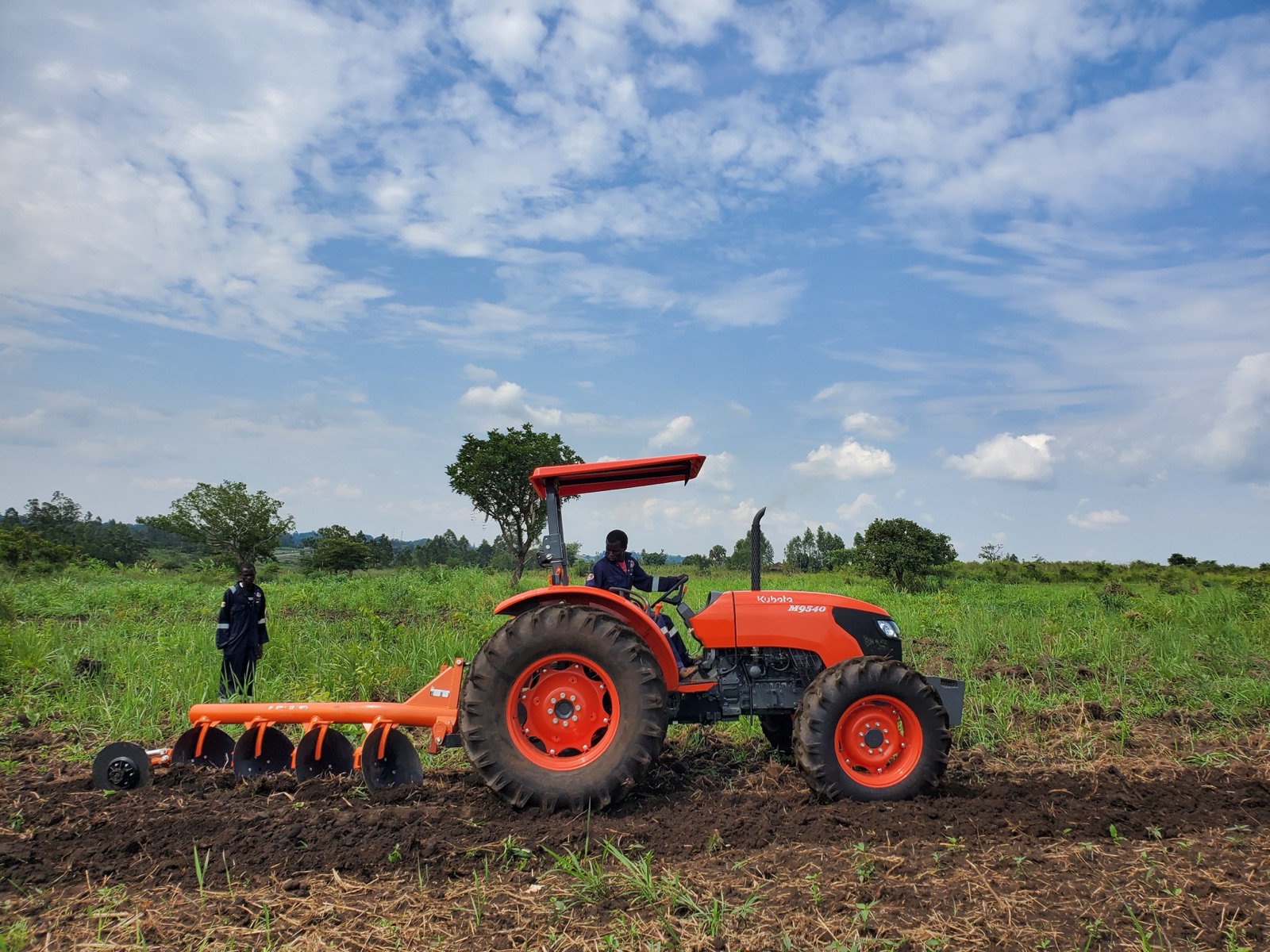
Government has procured tractors for organised, registered farmer groups, associations and cooperatives, to be run on business principles, and published Tractor Access and Management Guidelines to govern subsidised hire. Subsidised ploughing has been offered for as little as UGX 40,000 per acre.
Equipment distribution to the North
Over the years, power tillers, ripper planters, motorized rice threshers, moisture meters and weighing scales have been distributed to farmer organisations in the Acholi and Lango sub-regions under northern-focused agriculture programmes.
These programmes matter, but they reach a fraction of farmers, and subsidised machines are not always available when the rains arrive. The gap between a government tractor in a district centre and a farmer in a village is exactly the gap the hub model is built to close.
The real obstacles
Mechanization in the North is not held back by one problem but by a chain of them. Fixing only the tractor supply, while ignoring the rest, is why so many donated machines end up idle.
The spare-parts trapGovernment analysis documented donated machines abandoned because spare parts could not be sourced locally: a grinding mill in Dokolo broke down and was abandoned for want of a part. A tractor without a parts-and-mechanic network is a one-season asset.
- Cost and finance. Most farmers cannot afford to buy a tractor, and seasonal income makes loan repayment hard. Credit has historically been expensive and collateral-based.
- Spare parts. Without authorised dealers and stocked parts nearby, a single breakdown can sideline a machine for an entire season.
- Operator and mechanic skills. Poorly trained operators damage machines and do shoddy work; too few field mechanics means slow repairs.
- Land fragmentation. Small, scattered plots raise the per-acre cost of moving and operating a tractor, and complicate scheduling.
- Unsuitable equipment. Machines supplied without regard to local terrain and crops sometimes go unused.
Why the hub model works
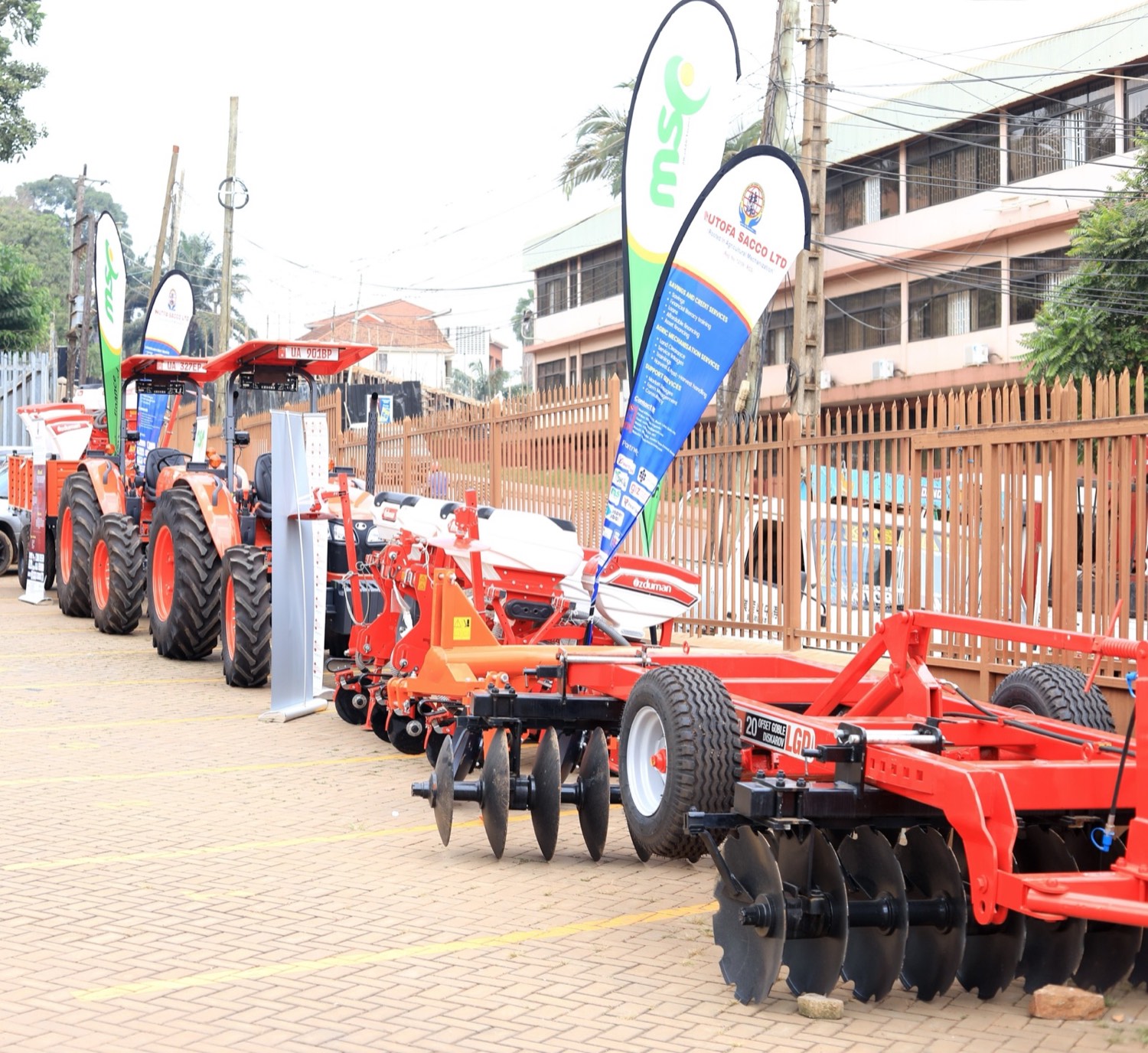
A mechanization hub is a one-stop centre that puts every actor in the tractor value chain under one roof: owners, operators, mechanics, authorised dealers, spare-parts suppliers, financiers, insurers and trainers. Instead of a farmer chasing a scattered, unreliable set of providers, the hub coordinates them.
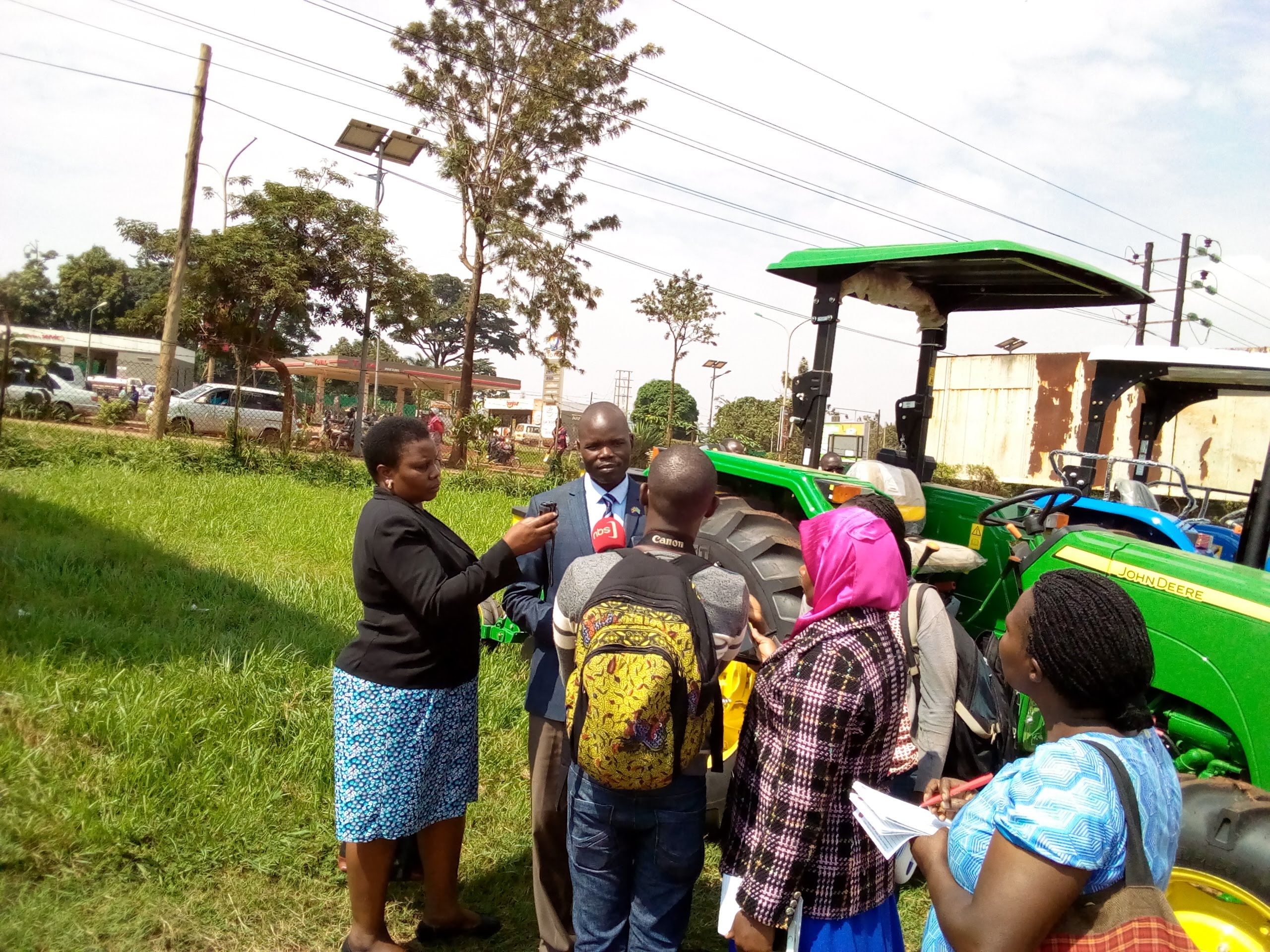
The model directly attacks each obstacle above:
The scattered market
- One owner sets the price alone
- No parts when a machine breaks
- Untrained, unaccountable operators
- No finance for the farmer
- Idle machines, missed seasons
The hub
- Pooled machines, published rates
- Genuine spares through vetted dealers
- Certified operators and field mechanics
- Savings-backed loans for members
- Coordinated dispatch, machines kept working
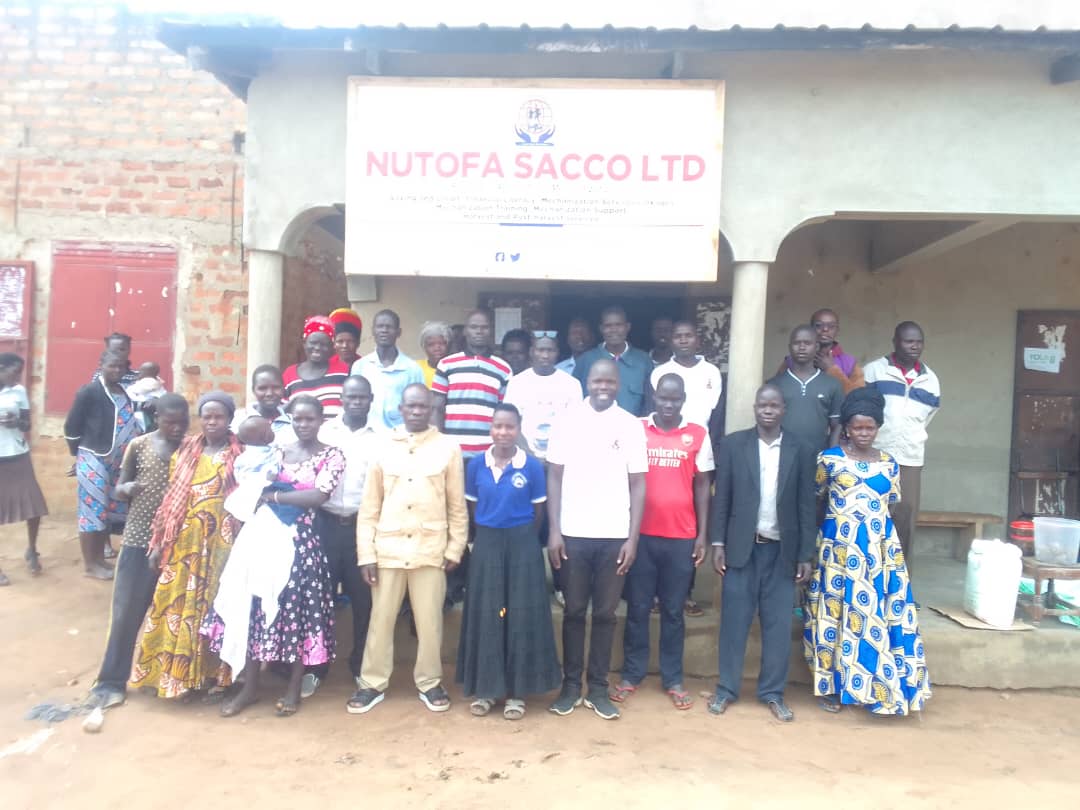
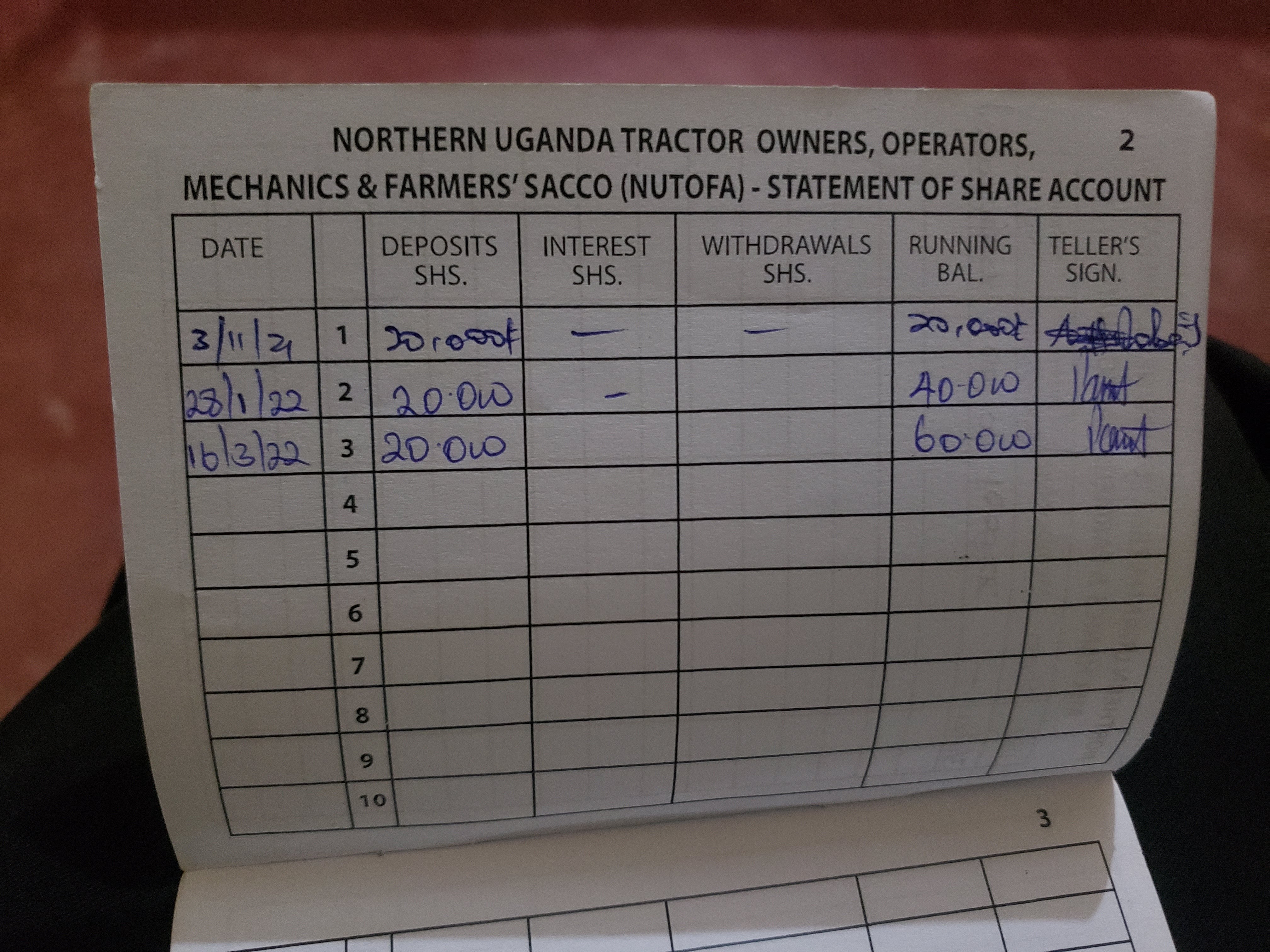
This is the model NUTOFA SACCO is building across the Acholi, Lango, Karamoja and West Nile sub-regions: a regional mechanization hub in each sub-region with satellite sub-hubs at high-demand sub-counties, anchored by a member-owned fleet and a savings-and-credit cooperative that finances it. It is also the model others, from digital tractor-sharing services to dealer-backed financing schemes, are pursuing in parallel, because the lesson everyone has learned is the same: tractors only transform farming when the spares, skills, finance and coordination come with them.
What this means for a farmer
If you farm in Northern Uganda, mechanization is no longer an abstract policy goal. It is a practical choice each season:
Join an organised group or cooperative
Subsidised schemes, hubs and finance are all channelled through registered farmer groups and cooperatives, not individuals. Membership is the entry point.
Book early and book as a group
Group bookings lower the per-acre travel cost and protect you from peak-season scarcity at the onset of the rains.
Use the full chain, not just the tractor
Pair land preparation with quality seed, timely planting, and mechanized threshing and drying: that is where the yield and income gains actually compound.
Read next: how much it costs to hire a tractor in Northern Uganda, how to finance a tractor or farm equipment, or learn about NUTOFA’s mechanization services.
- Ministry of Finance, BMAU Briefing Paper 19/17: equipment access lowest in the Northern region; abandoned equipment for want of spare parts; reliance on hand tools, 2017 (citing UBOS).
- MAAIF: Agricultural Mechanization Services; Tractor Access and Management Guidelines; regional mechanization centres (Agwata, Dokolo), 2019–2024.
- Government of Uganda: subsidised tractor-hire pilot rates (UGX 40,000 per acre), 2020.
- The Independent / industry reporting: mechanization shifting toward commercial, climate-smart farming in Northern Uganda, 2025.
Frequently asked questions
-
Agricultural mechanization is the use of machines and engine power - tractors, ploughs, harrows, planters, threshers, shellers and dryers - to do farm work that would otherwise be done by hand or with animals. It covers land preparation, planting, weeding, harvesting and post-harvest handling.
-
Lightly. National studies show roughly 95% of Ugandan farming households still rely on the hand hoe, and equipment access has historically been lowest in the Northern region. The region is shifting from hand tools toward tractors, but from a very low base.
-
A mechanization hub is a one-stop centre that brings every actor in the tractor value chain under one roof - owners, operators, mechanics, dealers, spare-parts suppliers, financiers and trainers - so a farmer can book a vetted tractor, get genuine spares and access finance in one place rather than dealing with scattered, unreliable providers.
-
The Ministry of Agriculture has been establishing regional (zonal) agricultural mechanization centres, including the Agwata centre in Dokolo District serving the Northern region, with a centre for Karamoja (Nabuin) also under way. They maintain government tractors and repair privately owned ones on a cost-recovery basis.