


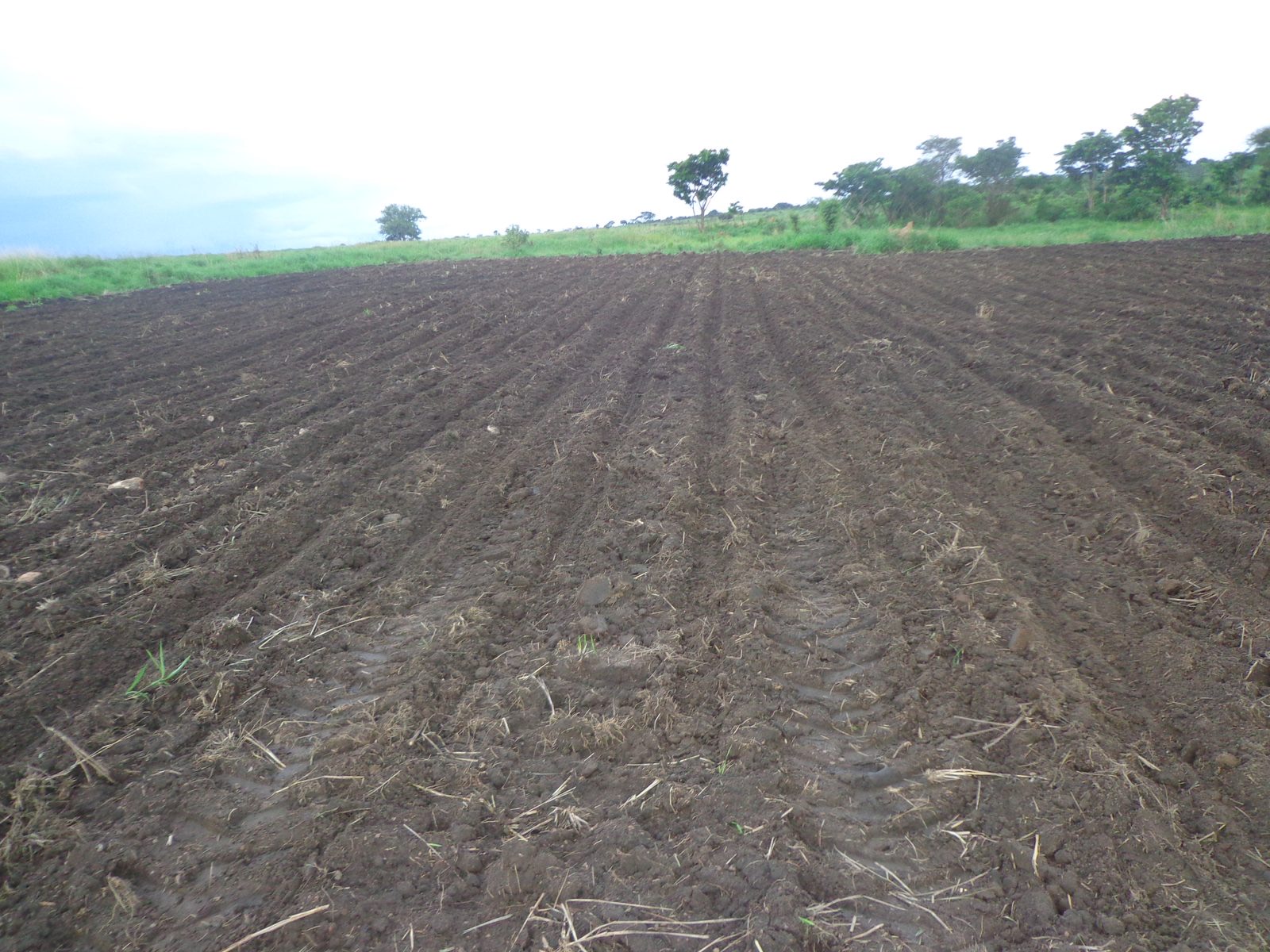
Ask an experienced farmer in the north what decides the harvest, and many will say one word: timing. Northern Uganda’s rains come as a single long season, and the farmers who plant at its very onset, on land already prepared, consistently outyield those who start opening land only after the rains arrive. This guide lays out the season, when to plant each major crop within it, and why getting ready early is everything.
- The north has one long rainy season (unimodal), roughly March/April–October/November.
- The long season lets many farmers grow two crops: an early and a later planting.
- Plant at the onset of the rains: judge by the rain, not the calendar date.
- Prepare land before the rains so you can plant the moment they break.
One long season, not two
This is where Northern Uganda differs from the rest of the country. Southern and central Uganda have a bimodal climate: two distinct rainy seasons with a dry gap between. Most of the north is unimodal: a single long rainy season running roughly March or April to October or November, with the heaviest rain around August–September, then a dry spell through to February. (The semi-arid far north-east, Karamoja, has one shorter, less reliable season.)
That long single season is generous enough that many farmers in Lango and Acholi grow two crops within it, an early crop planted at the onset of the rains, and a later crop planted around mid-season, but it is one continuous wet season, not the two-season pattern of the south. It is also why annual crops (groundnut, sesame, sorghum, millet, maize, soybean, cassava) dominate the north, rather than the perennial coffee and banana of the bimodal south.
The one rule that runs through it all: plant at the onset of the rains. A crop planted as the rains break gets the full season of moisture and hits its peak water demand while rain is reliable. A crop planted weeks late, because the land wasn’t ready, runs short of moisture at the worst moment.
When to plant each crop
Within the long season, here are the practical planting windows for the north’s main crops. Maturity lengths help you match a variety to an early or a later planting.
| Crop | Early planting | Later planting | Maturity |
|---|---|---|---|
| Maize | Mar–Apr | Jul–Aug | ~115–120 days |
| Soybean | Mar–Apr | Jul–Aug | ~90–110 days |
| Groundnut | Mar–Apr | Jul–Aug | ~100–110 days |
| Sesame (simsim) | Apr–May | - (mainly one crop) | ~3–5 months |
| Sorghum | Apr–May | - | varies |
| Cassava | Mar–May | Aug | ~12 months (flexible) |
Match the variety to the windowFor a later planting, and for the drier north generally, choose early-maturing varieties so the crop finishes before the rains end. The crop guides for maize, soybean, groundnut and sesame name the right varieties.
The rains are moving: plan for that
A warning that matters more every year: rainfall in Northern Uganda is increasingly erratic: the season starts late, ends early, or breaks in the middle. That makes two habits essential:
Judge by the rain, not the calendar
The dates above are guides, not guarantees. Watch the actual onset of the rains each year and plant to it.
Favour early-maturing, drought-tolerant varieties
They give you margin when the season is short, finishing before the rain runs out.
Be ready to move fast
When the rains come, the window to plant on time is narrow. Land that is already prepared is land you can plant immediately.
The hidden cost of opening land by hand
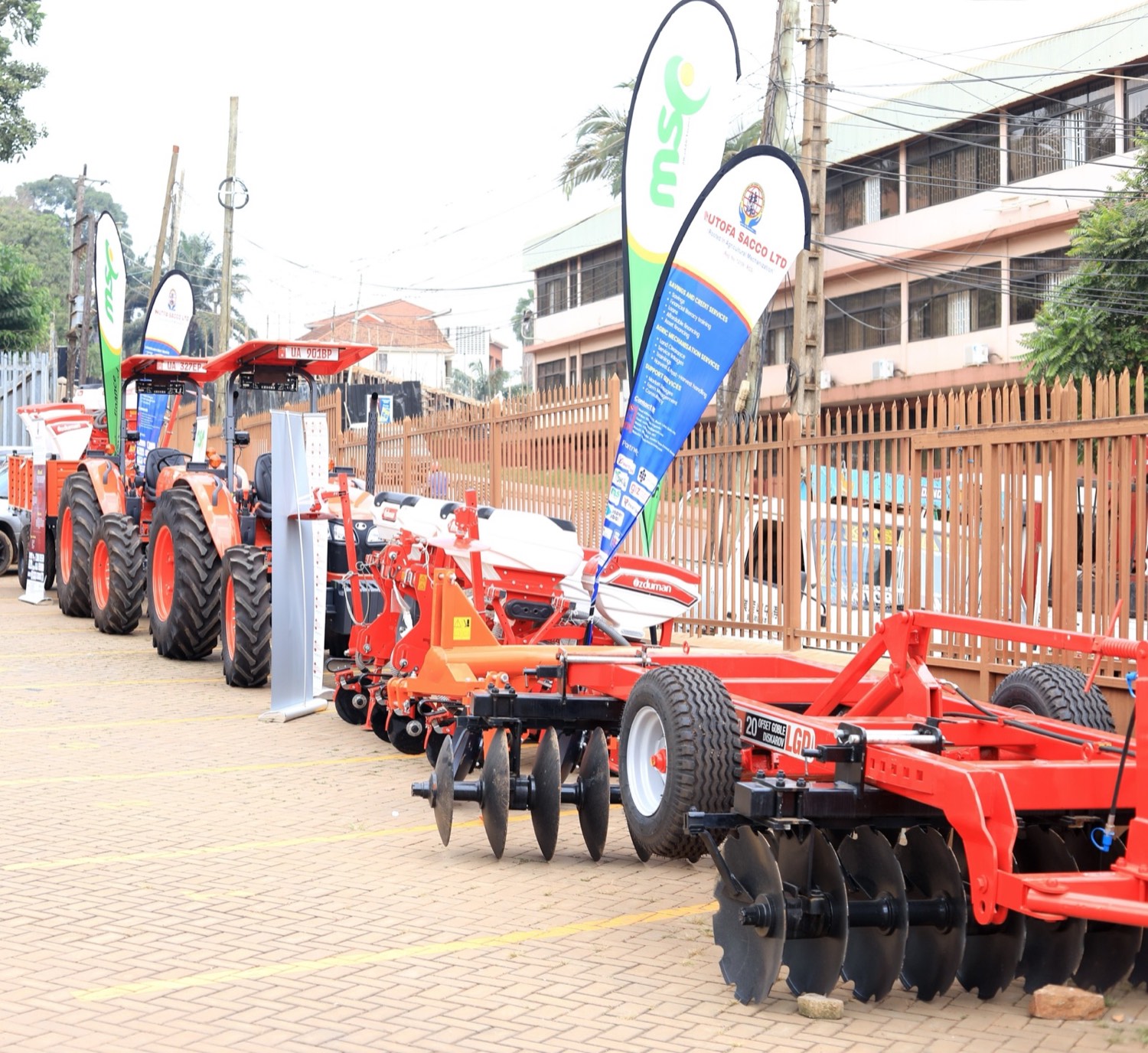
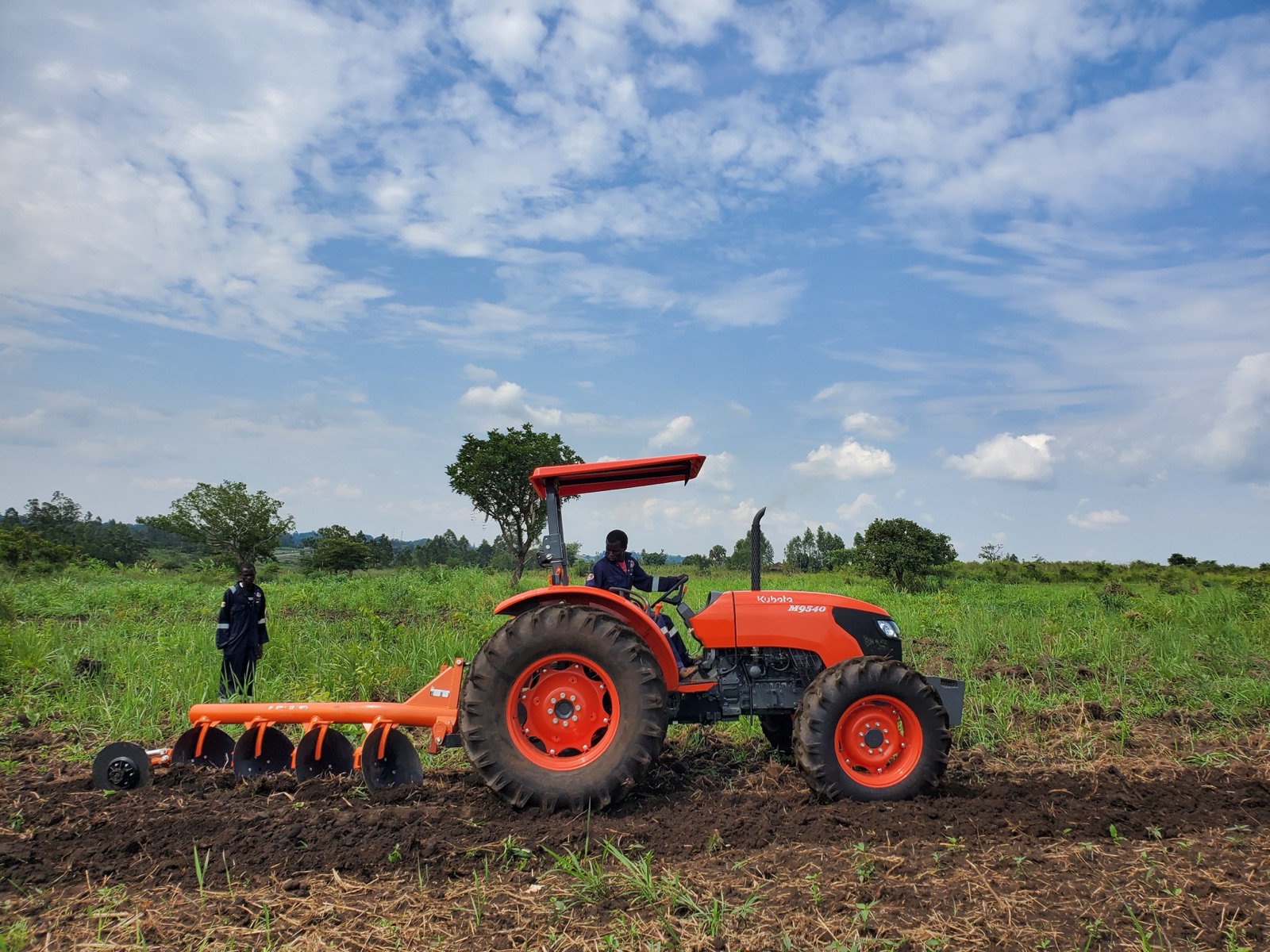
Here is where timing and mechanization meet. Opening an acre with a hand hoe takes days; by the time a hand-tilled field is ready, the onset rains may already be weeks gone, and with them, part of the yield. A tractor opens the same acre in hours, so the field is ready to plant the moment the rains break.
Prepare before the rainsBook land preparation ahead of the season, not after the rains start. Demand for tractors peaks the moment everyone wants to plant at once. Booking early (and as a group) is how you secure timely tillage. See tractor hire costs and land preparation.
Timely planting, the right variety, and land prepared before the rains: together these do more for your harvest than almost anything else. NUTOFA coordinates mechanized land preparation across the four sub-regions so members can plant on time, every season. See our services or become a member.
- Theoretical and Applied Climatology; SciELO (agrometeorological climate risks, Uganda): Northern Uganda's unimodal rainfall regime (~March–October), distinct from the bimodal south.
- NaCRRI / NaSARRI / MAKCSID: crop maturity periods (maize, soybean, groundnut, sesame, cassava).
- Radio Comnet Uganda (Pader): increasingly erratic rainfall in Northern Uganda raising the importance of timely land preparation, 2026.
- Home Harvest / agrometeorological guidance: yield loss from late planting and lost soil moisture.
Frequently asked questions
-
Most of Northern Uganda has a single long rainy season (a unimodal pattern), running roughly from March or April to October or November, with the heaviest rain around August–September and a dry spell from about December to February. This is different from southern and central Uganda, which have two distinct rainy seasons. The far north-east (Karamoja) has one shorter, less reliable season.
-
Plant at the onset of the rains, from around March–April. Because the northern rainy season is long, many farmers grow two crops in the year, an early crop planted at the onset and a later crop planted around July–August, but it is one continuous wet season, not two separate ones. Choose early-maturing varieties so each crop finishes within the rains.
-
Planting at the very onset of the rains lets the crop use the full season of moisture and reach its peak water need while rain is reliable. Late planting, common when land is opened by hand after the rains start, is one of the biggest hidden causes of low yield.
-
Prepare the land before the rains arrive. A tractor opens an acre in hours rather than the days a hoe takes, so a mechanized field can be planted the moment the rains break. This is the main reason timely mechanized land preparation lifts yields.