
Simsim, sesame, is one of Northern Uganda’s signature crops: small seed, high value, and a strong export demand that reaches all the way to East Asia. The north grows most of Uganda’s sesame, yet shattering at harvest and webworm quietly eat into what farmers earn. This guide covers planting the tiny seed well, protecting the crop, and getting it to market.
- The north and east grow over 80% of Uganda's sesame: it suits the climate here.
- Plant improved Sesim 1, 2 or 3; Sesim 2 is high-oil, Sesim 3 resists gall midge.
- Sow the tiny seed shallow (~3 cm) on a fine, firm seedbed; rows beat broadcasting.
- Harvest before the capsules shatter: cut at leaf-yellowing and dry on racks.
Choose a Sesim variety
NaSARRI has released improved sesame varieties: Sesim 1, Sesim 2 and Sesim 3, bred for the conditions farmers here actually face.
| Variety | Strength | Oil content | Note |
|---|---|---|---|
| Sesim 1 | Yield ~700 kg/ha | ~38% | Widely grown in Lango and West Nile |
| Sesim 2 | Drought & pest tolerant | ~48% | High oil content, strong for the oil market |
| Sesim 3 | Gall-midge tolerant | - | Hairy stems/capsules; matures faster |
Improved seed matters: Uganda’s national average sesame yield has hovered around 568 kg/ha, while the realistic potential is closer to 2,000 kg/ha, a gap driven largely by seed quality, weeding and pest control.
Plant the tiny seed well
Sesame seed is very small, so the seedbed and depth make or break establishment.
Prepare a fine, firm seedbed
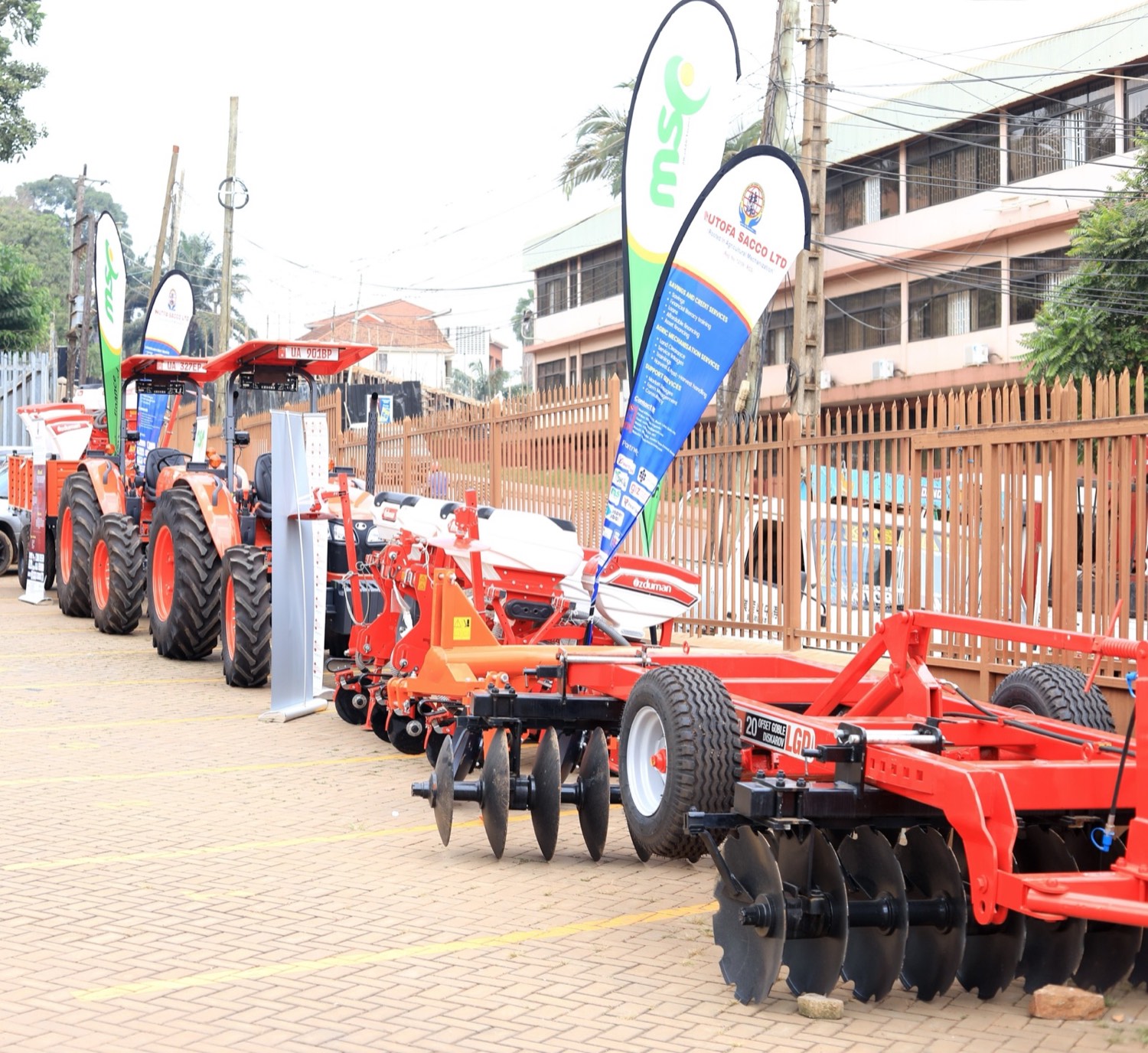
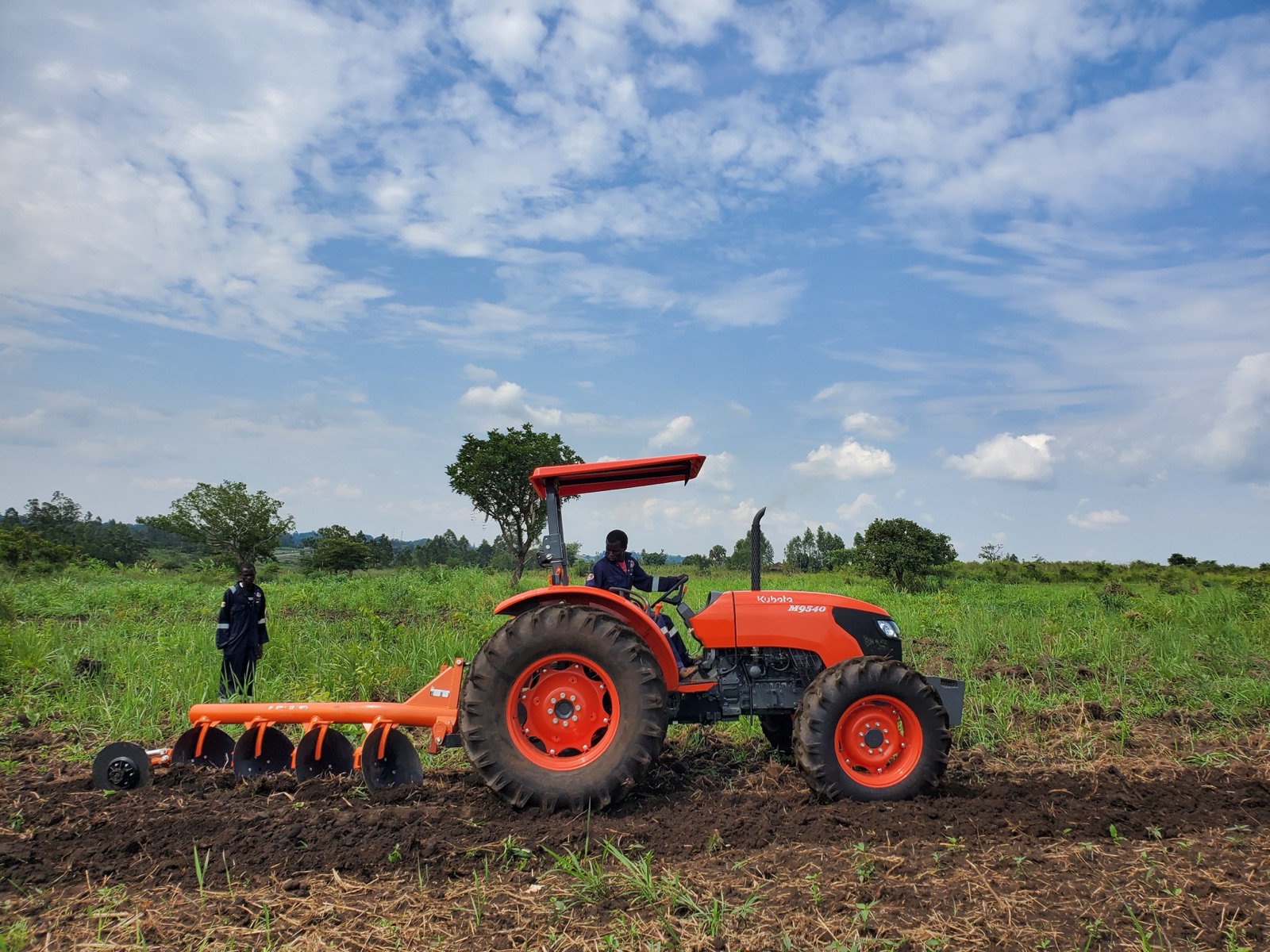
Sesame needs a well-drained, finely tilled, firm seedbed for even germination. A [tractor-harrowed field](/guides/land-preparation-ploughing-harrowing-ridging) gives exactly this.
Sow shallow
Plant about 3 cm deep. Too deep and the small seed won't emerge.
Rows beat broadcasting
You can broadcast at about 6–8 kg/ha, but planting in rows (about 30 cm × 10 cm, thinned to one plant per stand) makes weeding far easier and lifts yield.
Weed early and often
Young sesame is very sensitive to weed competition. Weed about two weeks after germination and again after thinning.
Beat webworm and shattering: where the losses hide
Two big threatsWebworm can cause heavy yield loss: scout and control early, and Sesim 3's hairy capsules help against gall midge. Shattering is the harvest killer: sesame capsules split and drop seed if you wait too long. Cut the crop when the leaves turn yellow, before the capsules open, then stack and dry on racks and beat to release the seed.
A strong export crop
Sesame is one of the north’s most export-oriented crops. Uganda is a notable exporter, with sesame heading to major markets including China, Turkey and the European Union. Uganda is in fact a leading supplier of organic sesame to the EU (Germany and the Netherlands especially). That international demand rewards clean, well-dried, uniform seed, which is exactly what good harvesting, drying and bulking through a cooperative deliver. Sold loose to a roadside buyer, simsim fetches a fraction of its export value; aggregated and graded, it commands far more.
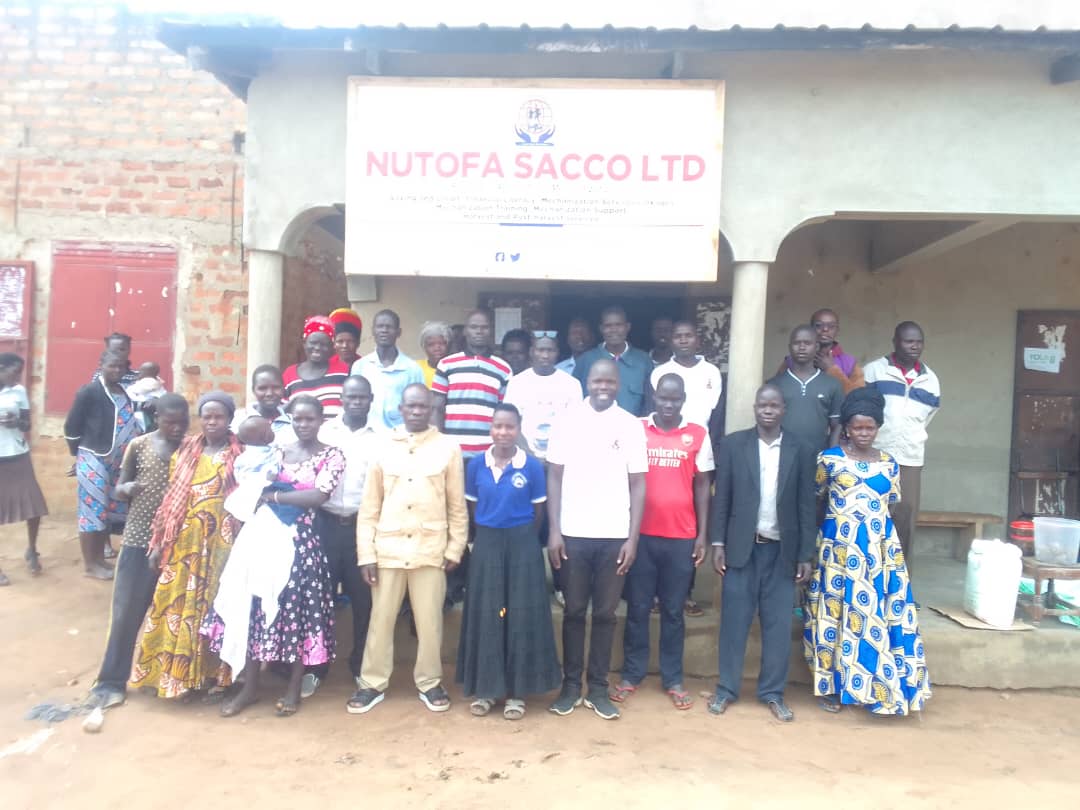
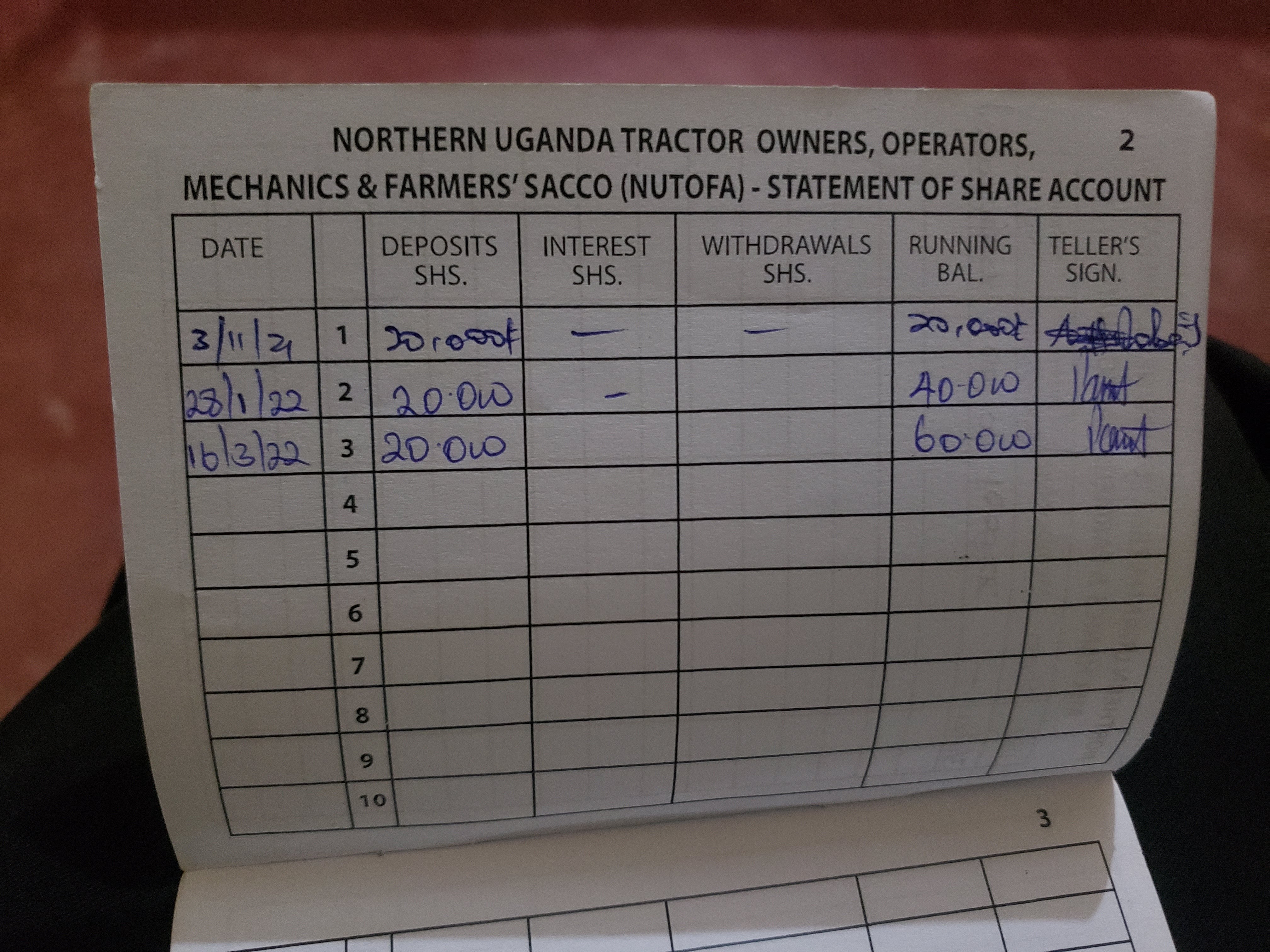
Sesame fits naturally into a northern farm rotation. Prepare the seedbed with mechanized land preparation, handle the harvest carefully to avoid loss, and market it together. See NUTOFA’s services or become a member.
- Daily Monitor: NaSARRI Sesim 1/2/3 varieties, oil content and traits, 2026; Africa Innovations Institute: Sesim trials in Lira.
- OCL Journal (peer-reviewed): Uganda sesame national average yield (~568 kg/ha), potential (~2,000 kg/ha), >80% grown in Northern/Eastern regions, 2021; CBI (EU): Uganda's sesame export markets (China, Turkey, EU; leading EU organic-sesame supplier).
- Ugandan agronomy/extension guides: seedbed, shallow sowing (~3 cm), 6–8 kg/ha broadcast or 30 × 10 cm rows, weeding; harvest-before-shattering practice.
Frequently asked questions
-
Overwhelmingly in the Northern and Eastern regions: over 80% of Uganda's sesame is grown there, including Lango and West Nile. Sesame suits the warm climate and moderate rainfall of the north, which is why simsim is one of the region's signature cash crops.
-
NaSARRI has released Sesim 1, Sesim 2 and Sesim 3. Sesim 1 has a yield capacity around 700 kg/ha and about 38% oil; Sesim 2 has higher oil content (around 48%) and good drought and pest tolerance; Sesim 3 has hairy stems and capsules giving it tolerance to the gall midge pest and matures faster.
-
Sesame seed is tiny, so prepare a fine, firm seedbed and sow shallow: about 3 cm. You can broadcast at roughly 6–8 kg/ha, but planting in rows (about 30 cm by 10 cm, thinned to one plant per stand) makes weeding far easier and improves yield.
-
Sesame shatters: the capsules split and drop seed if you harvest late. Cut the crop when the leaves turn yellow, before the capsules open, then dry it on racks and beat it to release the seed. Webworm is the other major threat and can cause heavy losses.