
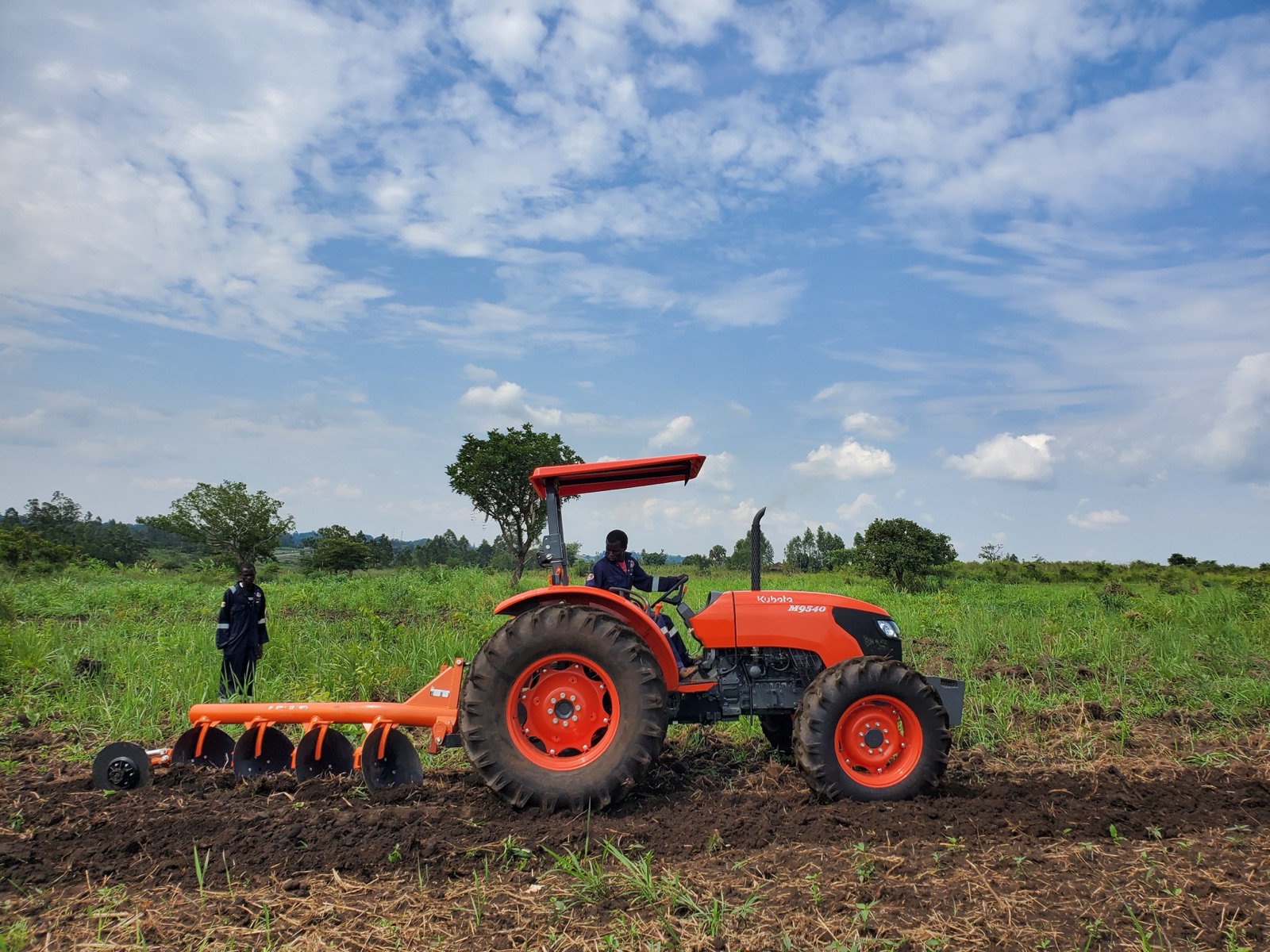
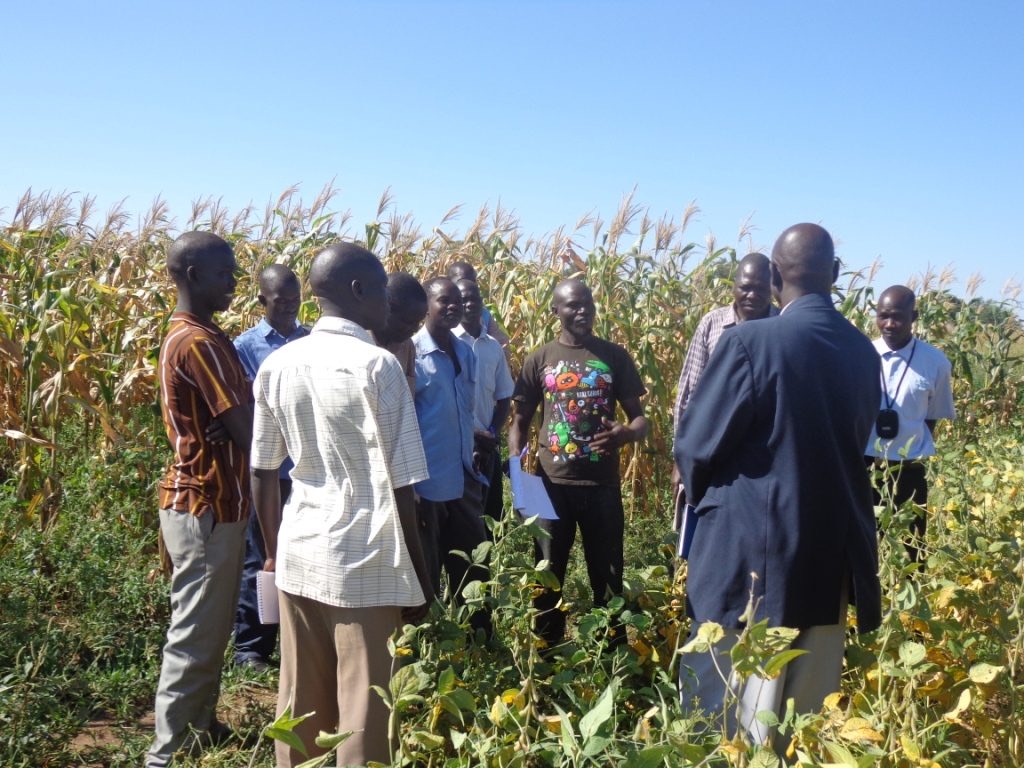

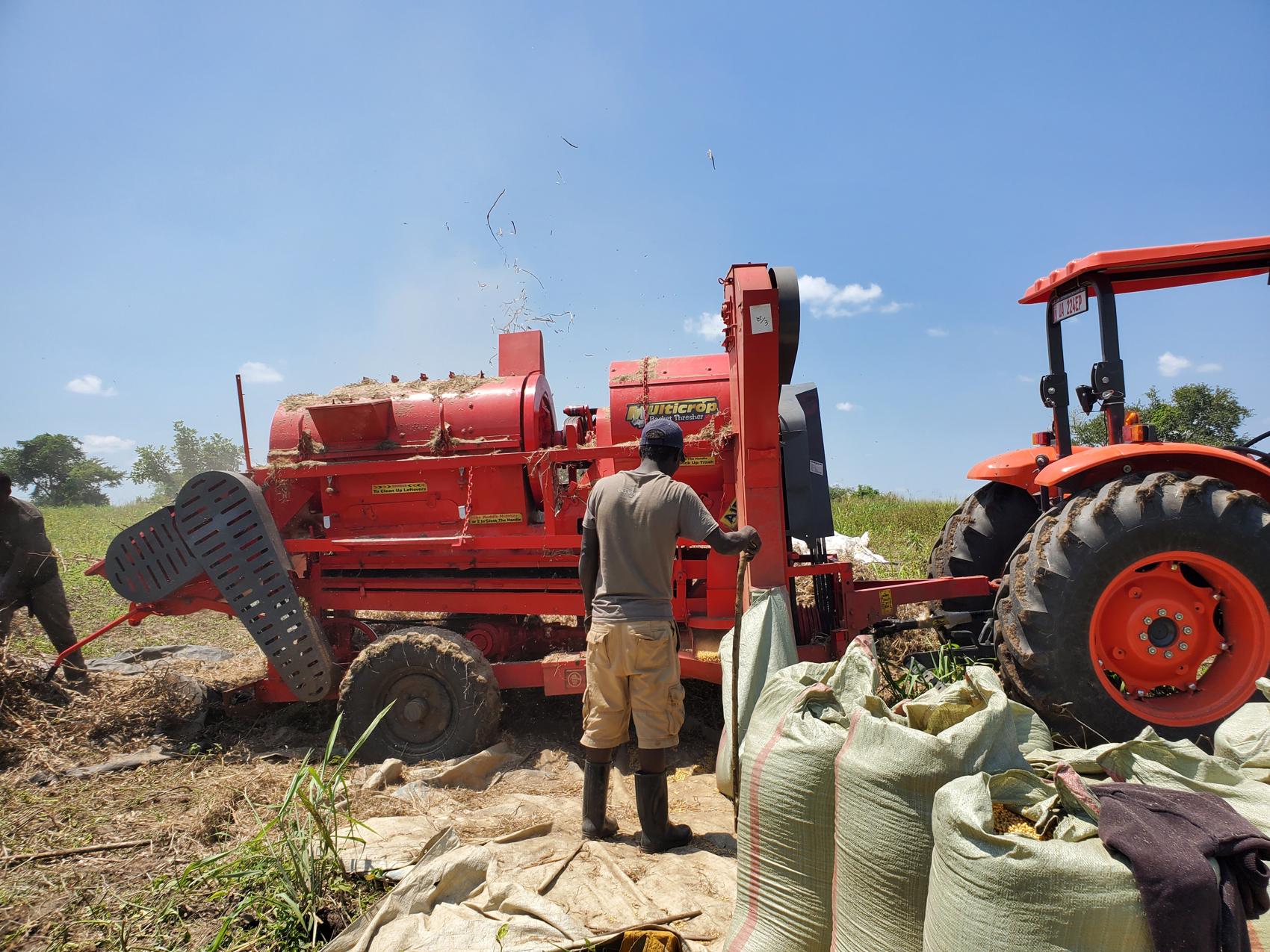
You can grow a fine crop and still lose much of its value after the harvest: to careless drying, hungry pests, and a toxin you cannot see. In Northern Uganda the losses are large, and for groundnuts and maize they come with a health risk: aflatoxin. The good news is that the fixes are simple and cheap. This guide covers how to harvest, dry, shell and store so your crop keeps both its value and its safety.
- Uganda's groundnut post-harvest losses run up to ~31%, much of it avoidable.
- Aflatoxin from poor drying/storage is a documented problem in the north, unsafe and unsellable.
- Dry fast, off the ground, to a safe low moisture level.
- Store dry and airtight, and you can sell later when prices rise.
The loss you can’t afford
Post-harvest loss is the most under-counted cost on a smallholder farm, because it doesn’t arrive as a bill: it just quietly shrinks what you sell. Studies put groundnut post-harvest losses in Uganda among the highest in Africa, up to around 31%, concentrated at shelling and storage. Every kilo lost here is a kilo you grew, weeded and harvested for nothing.
The hidden danger: aflatoxin
Worse than the volume loss is the quality and health risk. Aflatoxin is a toxin produced by moulds that grow on groundnuts and maize when the crop is harvested late or dried and stored damp. It is a documented problem in Northern and Eastern Uganda, and it has two costs:
Why aflatoxin mattersIt makes food unsafe to eat for your family, and it shuts you out of the better markets: processors, exporters and institutional buyers test for it and reject contaminated lots. Avoiding aflatoxin is both a health and an income decision.
Do these four things right
The whole battle is won or lost in four steps after the crop is ready.
Harvest at maturity, not late
Leaving the crop in the field too long invites mould, pests and shattering. Harvest when the crop reaches maturity.
Dry fast, off the ground
Dry on a tarpaulin, raised rack or clean floor - never on bare soil, which adds moisture and mould. Dry down to a safe, low moisture level (for grain, around 13% or below).
Shell and thresh with care
Rough manual shelling cracks nuts and grain, opening the door to mould. A mechanical sheller or thresher is faster and gentler: regional studies show shelling losses dropping sharply with mechanization.
Store dry and airtight
Store only well-dried produce, in clean, well-ventilated stores or airtight (hermetic) bags that starve pests and moulds. Damp grain in a poorly ventilated room is how a good harvest spoils.
Protects value and safety
- Harvest at maturity
- Dry on tarpaulin / rack, off the ground
- Dry to ~13% moisture or below
- Mechanical shelling / threshing
- Clean, dry or hermetic storage
Breeds loss and aflatoxin
- Leaving the crop late in the field
- Drying on bare soil
- Bagging while still damp
- Rough manual shelling that cracks the crop
- Humid, poorly ventilated stores
Mechanized threshing and drying
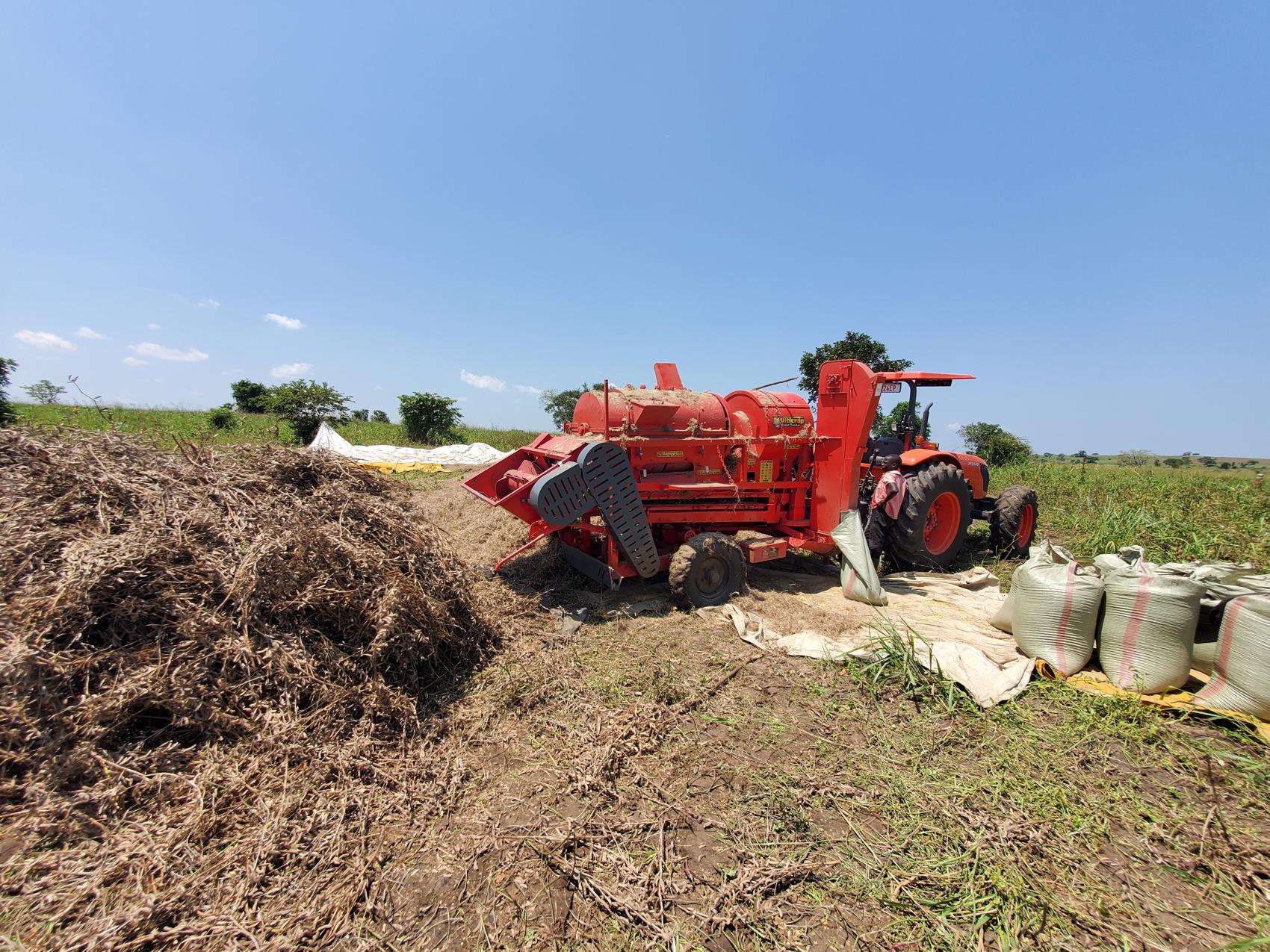
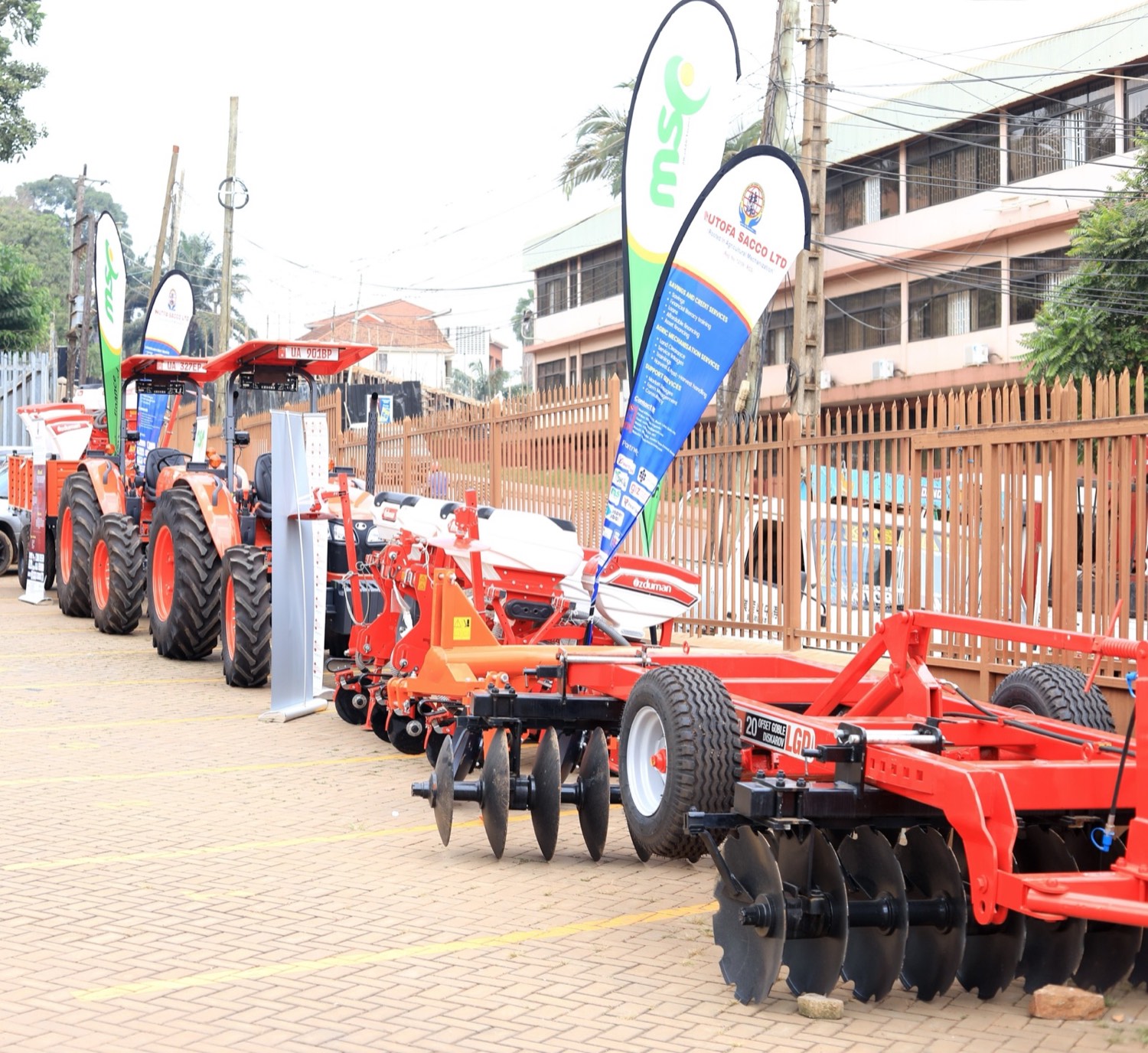
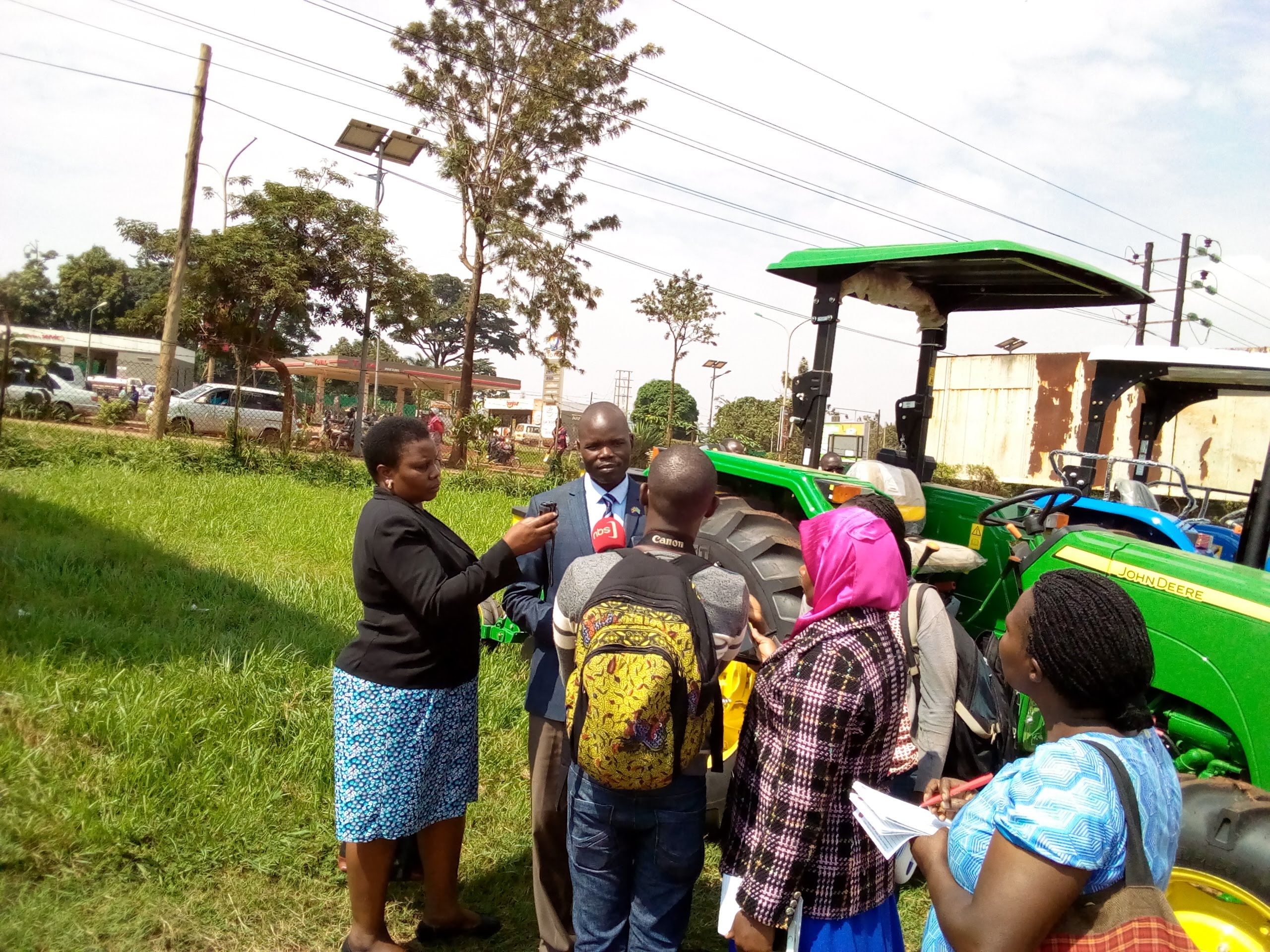
This is where a mechanization service does more than open land. Mechanized threshing, shelling and drying cut both the physical losses and the aflatoxin risk: they handle the crop faster and more gently than hand methods, at the scale a whole farmer group needs in the short window after harvest. That is why post-harvest handling is part of the cooperative’s mechanization service, alongside tillage and harvesting.
Good storage pays twice
Storing a well-dried crop properly does two things at once: it protects what you grew, and it lets you sell later, when the post-harvest glut clears and prices rise, instead of dumping at the lowest price of the year. Pair good storage with collective marketing through a cooperative, and a small bridging loan to cover urgent cash needs, and you capture the full value of your harvest rather than a fraction of it.
NUTOFA members access mechanized post-harvest handling, storage and collective marketing through one membership. See our services, read the groundnut guide, or become a member.
- Journal of Agriculture and Food Research: groundnut post-harvest losses up to ~31% in Uganda, concentrated at shelling and storage, 2023.
- Cogent Food & Agriculture: aflatoxin contamination in groundnut and maize in Eastern and Northern Uganda, 2023.
- Groundnut production guidance: drying grain to a safe moisture level (~13%); The EastAfrican: tarpaulin drying off the ground.
- Food Security (regional study): mechanical shelling reducing shelling losses (e.g. ~6.8% to ~2.0%), cited as regional evidence, 2023.
Frequently asked questions
-
A lot: studies put groundnut post-harvest losses in Uganda among the highest in Africa, up to around 31%, concentrated at shelling and storage. Maize and other grains also suffer significant losses from poor drying, pests and storage.
-
Aflatoxin is a toxin produced by moulds that grow on groundnuts and maize when the crop is harvested late or dried and stored while damp. It is a documented problem in Northern and Eastern Uganda. It makes food unsafe to eat and shuts farmers out of better-paying, quality-checked markets.
-
Harvest at full maturity, then dry quickly off the bare ground - on a tarpaulin, raised rack or drying floor - down to a safe, low moisture level (for grain, around 13% or below). Drying fast and clean is the single biggest step against both spoilage and aflatoxin.
-
Store only well-dried grain, in clean, dry, well-ventilated stores or in airtight (hermetic) bags that starve pests and moulds of air. Good storage also lets you hold the crop and sell later when prices rise instead of in the post-harvest glut.